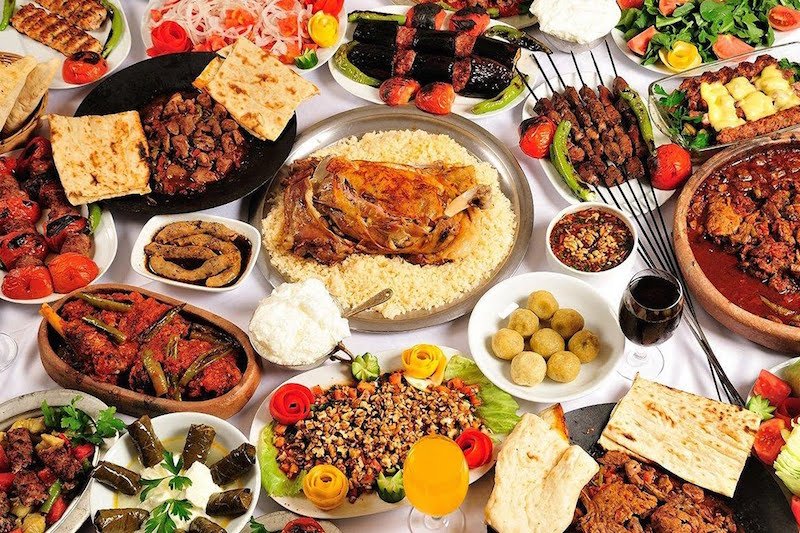
Hey there, fellow food wanderer. Picture this: It’s my second day in Istanbul, the sun’s just peeking over the Bosphorus, and I’m fumbling with a paper cup of strong Turkish coffee, steam curling up like a genie’s whisper. A street vendor thrusts a warm simit into my hand—sesame-crusted, chewy perfection—and suddenly, the chaos of the Grand Bazaar feels like home. That bite hooked me on Turkish cuisine forever. It’s not just food; it’s a bridge between continents, a hug from history. In this guide, we’re diving into 23 must-try Turkish dishes that capture the soul of the Ottoman Empire, the spice routes, and lazy Aegean afternoons. Whether you’re plotting a trip to Ankara or firing up your kitchen for a meze night, these flavors will transport you. Let’s eat our way through Turkey, one savory story at a time.
The Allure of Turkish Cuisine: A Fusion of Flavors and Cultures
Turkish food isn’t a monolith—it’s a vibrant mosaic woven from Central Asian nomad roots, Byzantine elegance, and Middle Eastern zest. Think tender lamb kissed by sumac, yogurt so creamy it dances on your tongue, and pistachios that crunch like autumn leaves. I’ve lost count of the times I’ve burned my mouth on a fresh-from-the-tanır pide, cursing in delight because, honestly, who needs oven mitts when impatience tastes this good? This cuisine thrives on fresh ingredients, seasonal twists, and that unhurried rhythm of shared plates. It’s healthy, hearty, and endlessly adaptable—perfect for vegans sneaking in or carnivores dreaming big. As we explore these 23 dishes, remember: Turkish eating is communal, so grab a friend, pour some raki, and let the stories spill.
Breakfast Bliss: Fueling Up the Turkish Way
Mornings in Turkey kick off with a spread that could double as a party platter—olives glistening like black pearls, cheeses crumbling softly, and eggs simmered in tomatoey bliss. It’s less a meal and more a ritual, where families linger over tea for hours. I once joined a host in Izmir who insisted on seven types of jam; by the end, I was buzzing from sugar and laughter. These openers set the tone for a day of exploration, blending simplicity with indulgence.
Simit: The Street King’s Sesame Crown
Ah, simit—the humble hero of Istanbul’s sidewalks, twisted into rings and dusted with sesame seeds that stick to your fingers like confetti after a wedding. Baked in wood-fired ovens, it’s got that perfect chew: crisp outside, fluffy within, often paired with kaymak (clotted cream) for a sinful twist. One rainy morning in Sultanahmet, I devoured three in a row, dodging puddles and pigeons, feeling like I’d unlocked the city’s secret handshake. At about 5 lira a pop, it’s the ultimate grab-and-go that whispers, “Welcome to Turkey.”
Menemen: Eggs in a Spicy Tomato Embrace
Menemen is Turkey’s answer to scrambled eggs on steroids—tomatoes, peppers, and onions sautéed into a juicy base, then cradled around softly set eggs. Spiced with pul biber (Aleppo pepper) for that gentle heat, it’s as comforting as a grandma’s hug but with a kick that wakes you up proper. During a farm stay in Cappadocia, I watched a local whip it up over a campfire; the smoky aroma had us all hovering like kids at Christmas. Serve it with crusty bread to sop up every last bit—pure morning magic.
Peynirli Börek: Cheesy Layers of Flaky Joy
Börek comes in many guises, but the peynirli (cheese-filled) version is breakfast royalty: thin yufka dough layered like phyllo, stuffed with feta or mild beyaz peynir, and baked till golden and crisp. It’s got that pull-apart satisfaction, with cheese oozing in salty strings. I recall a ferry ride from Kadiköy where a vendor sold steaming trays; one bite, and the salty Bosphorus breeze felt like part of the recipe. Pro tip: Pair it with olives for a salty-sweet duet that lingers.
Soups That Warm the Soul: Hearty Starters
Turkish soups are more than preludes—they’re standalone stars, often lentil-based for that earthy depth, thickened with yogurt or rice. In Gaziantep’s bustling çarşı, I slurped ezogelin under a canopy of spices, tears in my eyes from both steam and the tale of its heartbroken creator. These bowls are affordable therapy, blending nutrition with nostalgia.
Ezogelin Çorbası: The Legendary Red Lentil Elixir
Ezogelin çorbası, a fiery red lentil soup flecked with mint and chili, tells a tale of unrequited love—legend says a bride named Ezo crafted it to win her husband’s heart. Simmered with onions, garlic, and a punch of pul biber, it’s velvety yet vibrant, topped with lemon for zing. On a chilly Ankara evening, it chased away my homesickness faster than a shot of rakı. Simple to make at home, it’s your gateway to Turkish comfort in a bowl.
Mercimek Çorbası: Golden Lentil Simplicity
The classic mercimek çorbası is pure yellow lentil goodness, blended smooth with carrots and onions, then brightened with a buttery cumin swirl. No frills, just soul-soothing warmth that sticks to your ribs without weighing you down. I once bartered for a roadside bowl in Konya; the vendor’s grin as I mopped it up with bread made it taste like victory. It’s vegan-friendly and endlessly tweakable—add spinach for greens.
Meze Magic: Small Plates, Big Stories
Meze is the heart of Turkish feasting: an array of dips, salads, and bites that encourage lingering chats over ouzo-like raki. In Bodrum’s harborside tavernas, these colorful platters turn strangers into friends, each spoonful a conversation starter. I’ve spent evenings assembling my own, laughing as I over-salt the hummus—because imperfection is the real flavor here.
Saksuka: Eggplant’s Eggplant-y Glory
Saksuka stars fried eggplant cubes tossed with peppers, zucchini, and tomatoes in a garlicky sauce, served cold as a meze MVP. It’s that smoky-sweet medley that begs for crusty bread dredging. During a summer picnic in Antalya, it was the star—juicy, forgiving of my novice knife skills. Fun fact: It’s like ratatouille’s bolder Turkish cousin, minus the fuss.
Kisir: Bulgur’s Spicy Tabouli Twin
Kisir is a zesty bulgur salad punched up with tomato paste, pomegranate molasses, and heaps of parsley, rolled into bites or scooped with lettuce. Tangy, nutty, and refreshingly green, it’s vegan rocket fuel. I first tried it at a women’s co-op in Urfa; their version, with extra isot pepper, had me hooked and humming old folk tunes. Light yet filling—ideal for hot days.
Mercimek Köfte: Lentil Patties That Fool Meat Lovers
These red lentil “meatballs” are spiced with cumin and scallions, shaped into ovals and drizzled with lemon—zero meat, all umami. Crunchy outside, soft inside, they’re a meze staple that sneaks nutrition into parties. In my Istanbul kitchen experiments, they vanished faster than tipsy uncles at a wedding. A pro move: Garnish with sumac for that citrus pop.
Piyaz: Bean Salad with a Tahini Twist
Piyaz layers white beans with onions, parsley, and a tahini-lemon dressing, often crowned with eggs and olives for drama. It’s fresh, herby, and that sauce clings like a summer fling. At a seaside lokanta in Çeşme, it paired perfectly with grilled fish—salty, bright, unforgettable. It’s the side that steals the show.
Cacık: Yogurt’s Cool Cucumber Companion
Cacık is diced cucumbers swimming in garlicky yogurt, diluted with water for a drinkable dip—creamy, cooling, and infinitely refreshing. Think tzatziki’s chill Turkish sibling. After a sweaty hike in Lycia, a bowl of this was my salvation; the dill’s whisper cut through the heat like magic. Serve chilled for peak bliss.
Haydari: Feta’s Whipped Wonder
Haydari whips feta with yogurt, walnuts, and dill into a spreadable dream, perfect for slathering on simit. Tangy, nutty, and addictive—it’s meze crack. I once smuggled a tub home from a market in Bursa; it elevated every cracker for weeks. Humor alert: One bite, and you’ll be hiding the bowl from guests.
Kebab Kingdom: Grilled Meats and Beyond
Kebabs are Turkey’s grill gods—marinated, skewered, and charred over coals for smoky transcendence. From Adana’s spice inferno to İskender’s saucy throne, they’re the mains that demand seconds. In my Bursa kebab crawl, I waddled away vowing never to eat salad again (lies—I did, eventually). These aren’t just skewers; they’re celebrations on a stick.
Döner Kebab: The Rotating Revolution
Döner, shaved lamb or chicken from a spit, wrapped in lavash with veggies and yogurt—street food’s greasy crown jewel. Juicy, spiced, and portable, it’s Turkey’s gift to the world. Late-night in Taksim, post-hamamı, it cured my every ache. Compare it to gyros: Döner’s got more herbs, less rush.
Adana Kebab: Fiery Minced Lamb Fury
Adana’s hand-chopped lamb, fat-laced and spiced with red pepper, grilled to caramelized edges—pure heat and heart. Served with flatbread and sumac onions, it’s bold and unapologetic. In its namesake city, I sweated through one, grinning like a fool. Pros: Intense flavor; cons: Bring milk for the burn.
İskender Kebab: Kebab in Yogurt Heaven
İskender layers döner over pide, drowned in buttery tomato sauce and yogurt—decadent, drippy delight. Invented in Bursa, it’s a knife-and-fork kebab that feels fancy. My first in the silk capital left me speechless, sauce pooling like liquid gold. Warning: Napkins are optional but recommended.
Şiş Kebab: Simple Skewered Satisfaction
Chunks of marinated lamb or chicken on skewers, grilled plain and true—tender, charred, no nonsense. Paired with rice pilaf, it’s rustic royalty. During a Black Sea barbecue, it was the star; smoky and pure. Vs. Adana: Less spice, more meat-forward chew.
İnegöl Köfte: Meatball Royalty
İnegöl’s spiced beef patties, grilled juicy and served with pide—succulent, herby orbs that pop with flavor. A Balkan-Turkish hybrid, they’re party pleasers. At a family picnic near the factory town, they flew off the grill. Bullet ingredients: Ground beef, bread crumbs, cumin, parsley.
| Kebab Type | Key Spice | Best Pairing | Heat Level |
|---|---|---|---|
| Adana | Pul biber | Lavaş & onions | High |
| İskender | Tomato | Yogurt | Medium |
| Şiş | Garlic | Pilaf | Low |
| İnegöl | Cumin | Pide | Mild |
Pasta and Pies: Doughy Delights from the Hearth
Turkish carbs are poetry: stuffed, layered, or topped, baked in stone ovens for that golden crust. Pide’s boat-shaped allure and manti’s tiny pillows remind me of childhood ravioli hunts, but elevated. In Kayseri, manti’s yogurt flood had me plotting world domination via dumplings.
Lahmacun: The Turkish Pizza Pioneer
Lahmacun’s thin dough topped with minced meat, onions, and parsley, baked blistery and folded with lemon—crunchy, zesty street pie. It’s portable perfection. Scooping one in Gaziantep’s old town, I felt like a local. Roll it up for on-the-go genius.
Pide: Oval Oven Magic
Pide, boat-shaped with ground meat, cheese, or spinach fillings, edges crimped like a hug—chewy, melty bliss. Regional twists abound; İzmir’s version is veggie-forward. After a ferry flop in the Aegean, it revived me. Customize: Add eggs for breakfast vibes.
Manti: Tiny Dumplings, Giant Flavors
Kayseri manti are pea-sized beef-filled pillows, drowned in yogurt, garlic, and chili butter—tiny bombs of joy. Labor-intensive but worth it; each bite’s a treasure hunt. A village auntie in Central Anatolia taught me the fold—sloppy, but heartfelt. Pro: Bite-sized; con: Endless seconds.
Güveç: Clay Pot Casserole Comfort
Güveç simmers lamb, veggies, and eggplant in a sealed pot for tender, fused flavors—earthy and slow-cooked. Village-style, it’s one-pot wonder. In a Cappadocian konak, the seal’s crack revealed heaven; steam-scented air forever changed me.
Veggie and Stuffed Wonders: Plant-Powered Classics
Turkey’s Ottoman legacy shines in stuffed leaves and braised beauties—veggie-forward yet indulgent. Imam bayıldı’s fainting monk tale always cracks me up; who collapses over eggplant? These dishes prove meat’s optional in flavor town.
Yaprak Dolma: Vine Leaf Treasures
Yaprak dolma stuffs rice, pine nuts, and herbs into grape leaves, steamed tender—tart, aromatic bites. Lemon-bright, they’re meze or side stars. Rolling them with a Bursa grandma, I botched half but ate them anyway—love’s the best seasoning.
Imam Bayıldı: The Stuffed Eggplant Saga
Imam bayıldı braises eggplant boats with onions, tomatoes, and olive oil till meltingly soft—sweet, savory poetry. The “fainting imam” legend? Oil overload, they say. In Ephesus ruins’ shadow, it was my picnic hero. Vegan icon: Oil is the umami MVP.
Çiğ Köfte: Raw Bulgur Boldness
Çiğ köfte mashes bulgur with tomato paste, spices, and (traditionally) bulgur “meat”—spicy, wrap-and-roll vegan fire. Modern versions skip meat entirely. Street vendors in Şanlıurfa hand-pound it fresh; my attempt was mush, but spicy mush. Wrap in lettuce for crunch.
Sweet Symphonies: Desserts That Linger
Turkish sweets are sticky seductions—nuts, syrups, and phyllo in harmonious excess. Baklava’s layers flake like snow; I’ve chipped a tooth on bad versions, but the good ones? Transcendent. In Gaziantep’s baklava alleys, sampling 10 varieties felt like sugar therapy.
Baklava: Nutty, Syrupy Layers
Baklava stacks phyllo with pistachios or walnuts, baked and bathed in honey syrup—crisp, gooey ecstasy. Gaziantep’s is pistachio-pure. My overindulgent afternoon there? Regret-free bliss. Variations: Add rosewater for floral fancy.
Künefe: Cheese Under Crispy Shreds
Künefe shreds kadayıf pastry over cheese, baked till golden, drenched in syrup—hot, stretchy, sweet-salty genius. Antakya’s specialty melts in your mouth. First bite in a harbor cafe: “This is cheese dessert? Yes, please.” Serve warm for peak pull.
Lokum: Turkish Delight’s Chewy Charm
Lokum cubes, dusted in powdered sugar, burst with rose, pistachio, or mastic—soft, floral confections. Ottoman originals, they’re gift-box gold. I once ate a kilo in one sitting (don’t judge); now they’re my tea-time ritual. Flavors: Endless, but lemon’s underrated.
Sütlaç: Rice Pudding with a Burnt Kiss
Sütlaç simmers rice in milk, sweetened and torched for caramel flecks—creamy, smoky comfort. Served in clay pots at ferries. Istanbul’s waterfront version, under stars, felt poetic. Add cinnamon for spice.
Where to Savor These Gems: Navigating Turkish Eats
Craving the real deal? Istanbul’s your launchpad—dive into Çiya Sofrası for regional rarities or Deraliye for Ottoman elegance. On the Asian side, Mikla blends modern twists with classics. For home cooks, snag an oklava rolling pin and sumac from spice souks—essentials for authentic rolls. Transactional tip: Amazon stocks pide stones; start with lahmacun kits for easy wins.
Pros and Cons of Embracing Turkish Cuisine at Home
- Pros: Heart-healthy (olive oil, veggies galore); versatile for diets; builds community over shared plates.
- Cons: Spice hunts can be pricey; dough-rolling takes practice (hello, oklava fails).
People Also Ask: Your Turkish Food Curiosities Answered
Drawing from real searches, here’s what folks are pondering about Turkish cuisine—quick hits to fuel your feast.
- What is the most popular Turkish food? Döner kebab reigns supreme, with over a million servings daily in Istanbul alone—juicy, affordable, everywhere.
- Is Turkish food spicy? Not always—mild yogurt balances heat in dishes like Adana, but Aleppo pepper adds optional fire for thrill-seekers.
- What does a typical Turkish meal look like? Meze starters, kebab mains, and baklava finishes, washed with çay—communal, unhurried, abundant.
- What is Turkish breakfast? A lavish spread: cheeses, olives, menemen, simit—more brunch than rush, lingering till noon.
- Are there vegan options in Turkish cuisine? Absolutely—dolma, kisir, and lentil soups shine; even kebabs have plant twists.
FAQ: Your Burning Questions on Turkish Delights
What are the essential ingredients for authentic Turkish cooking?
Sumac for tang, pul biber for heat, yogurt for creaminess, and olive oil as the lifeblood. Stock up on bulgur and phyllo too— they’re in every pantry from Ankara to Adana.
Where can I find the best Turkish food outside Turkey?
Seek out London’s Green Lanes or New York’s Çiya outposts for that homesick hit; they’re faithful to the source.
How do I make baklava without it getting soggy?
Layer phyllo lightly, bake till crisp, then syrup sparingly while hot—patience is key, or it’ll swim instead of shine.
Is Turkish food healthy?
Mostly yes—veggie-heavy, fermented yogurt for gut love, but watch the sweets; balance with walks along the Bosphorus.
What’s the one dish every visitor must try?
İskender kebab—it’s Turkey in a plate: grilled, saucy, yogurty, impossible to forget.
There you have it—23 dishes that turned a skeptical traveler into a lifelong evangelist. Turkish food isn’t just sustenance; it’s a love letter to life’s messy joys. Next time you’re near a kebabcı or your own stove, raise a glass (or a spoon) to flavors that cross borders. What’s your first try? Drop a comment—I’d love to swap stories. Afiyet olsun!