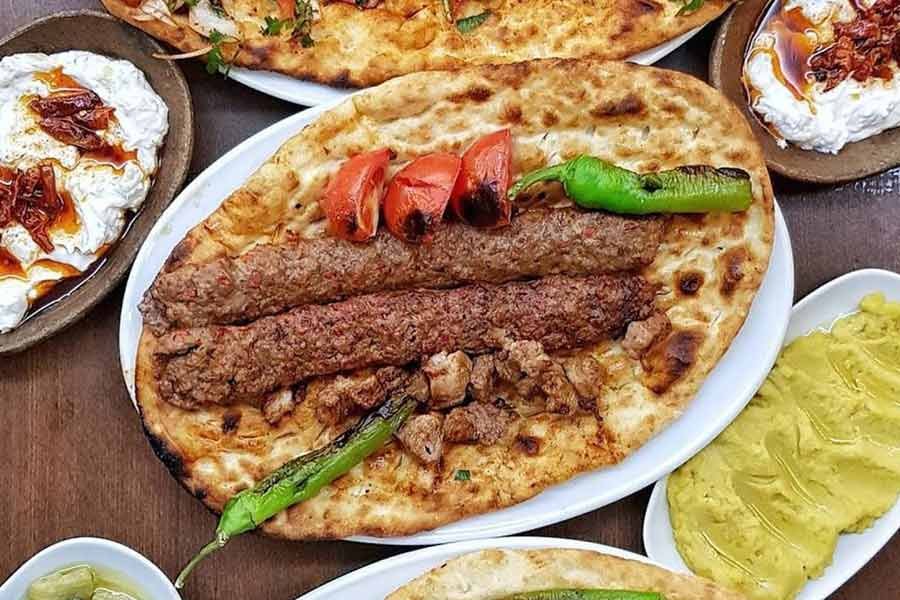
Imagine wandering the bustling streets of Istanbul at dusk, the air thick with the smoky char of grilled meats and the sweet perfume of simmering spices. Your stomach growls as a vendor waves you over, piling a plate high with golden pastries oozing honey. That’s the magic of Turkish cuisine – unpretentious yet profound, a tapestry of tastes that pulls you in like a long-lost relative at a family gathering. I know that pull all too well. A few years back, during a solo backpacking stint through Cappadocia, I ended up crashing at a homestay run by a widow named Ayşe. She didn’t speak much English, but her kitchen did the talking. Over steaming bowls of mercimek çorbası (lentil soup), she’d gesture wildly, insisting I try seconds of her stuffed vine leaves. “Eat, eat!” she’d say with a wink. By week’s end, I’d gained five pounds and a lifetime supply of recipes scribbled on napkins. Turkish food isn’t just sustenance; it’s storytelling, community, and a quiet rebellion against blandness.
What makes traditional Turkish foods so irresistible? It’s the balance – creamy yogurts cutting through fiery peppers, fresh herbs brightening rich stews, and layers of phyllo cradling nuts like secrets waiting to spill. Born from the Ottoman Empire’s vast reach, this cuisine fuses Central Asian nomadism with Mediterranean bounty and Middle Eastern flair. UNESCO even recognized Turkish culinary culture as an Intangible Cultural Heritage in 2011, putting kebabs and baklava on the global map. But beyond the hype, it’s accessible. You don’t need a fancy chef’s hat to whip up a meze platter that rivals a seaside taverna. In this deep dive, we’ll unpack the history, savor the staples, and even plot your path to recreating these gems at home. Whether you’re dreaming of a Bosphorus cruise or just craving something beyond takeout, let’s feast on the rich flavors of Turkish cuisine. Fair warning: by the end, you’ll be booking flights… or at least a grocery run.
A Brief History of Turkish Cuisine
Turkish cuisine traces its roots back over a thousand years, evolving from the simple, resilient meals of Central Asian tribes to the refined banquets of imperial courts. It’s a testament to how food mirrors migration and empire-building, turning survival into splendor.
At its core, it’s about abundance from the land – think endless olive groves, fertile river valleys, and herds of sheep dotting the Anatolian plains. Yet, it’s the human touch that elevates it: chefs in Ottoman palaces experimenting with rosewater and saffron, creating dishes that symbolized power and hospitality.
I chuckle thinking about how my own “experiments” pale in comparison. Once, inspired by a dusty cookbook from a Istanbul flea market, I tried making pilaf with too much cardamom. The result? A spicy brick that even the dog eyed warily. Lesson learned: tradition tempers boldness.
From Nomadic Roots to Ottoman Opulence
Long before grand mosques dotted the skyline, Turkic nomads roamed the steppes, packing yogurt into portable balls called tarhana and baking flatbreads over open fires. These were practical eats for life on the move – nutrient-dense, shelf-stable, and utterly delicious.
By the 14th century, as the Ottomans rose, these basics morphed into opulent feasts. Sultans’ kitchens buzzed with 1,300 staff, blending Persian sweets and Arab grilling techniques into something uniquely Turkish.
It’s like watching a rough sketch bloom into a masterpiece – humble ingredients gaining layers of flavor, much like the phyllo in baklava.
Influences from East and West
Turkey’s position as a crossroads has infused its food with global echoes: Greek phyllo from Byzantine times, Italian tomatoes via trade routes, and Persian rice pilafs refined in Istanbul. The result? A cuisine that’s spicy yet soothing, meaty but veggie-packed.
This fusion keeps it fresh – no rigid rules, just endless reinvention. It’s why a single dolma can evoke memories of a Levantine souk or a Balkan harvest.
The Art of Meze: Starting with Small Bites
Meze, those colorful small plates, are the soul of Turkish dining – shared, leisurely, and impossible to rush. They’re not appetizers; they’re the main event, encouraging stories over sips of raki.
Picture a lazy afternoon in a Bodrum fish house: plates circling the table like old friends reuniting. From creamy dips to pickled veggies, meze builds anticipation for the feast ahead.
I once turned a rainy London evening into a mini-Istanbul by raiding the local market for olives and feta. Paired with warm pide, it chased the gloom away – proof that meze heals hearts as much as hungers.
Classic Meze Dishes You Must Try
Meze shines in its variety, with over 50 staples across regions. Here’s a starter lineup – grab a fork and dive in.
- Haydari: Thick yogurt whipped with garlic, mint, and feta. Tangy and addictive, it’s my go-to for scooping up everything else. Pro tip: Fresh dill elevates it to poetry.
- Acuka: A fiery paste of walnuts, chili, and olive oil – think spicy hummus with attitude. From the Black Sea, it’s bold enough to wake up sleepy taste buds.
- Patlican Salatasi: Smoky eggplant mash, lemony and garlicky. Grilled over coals for that authentic char; I burned my first batch, but the smoky triumph was worth it.
- Zeytinyagli Enginar: Artichokes braised in olive oil with carrots and dill. A veggie hug – light, herby, and perfect for vegetarians.
- Fava: Pureed yellow split peas with lemon and onion. Humble yet elegant, it’s the underdog that steals the show.
These bites aren’t just food; they’re conversation starters. Pair with crusty bread, and you’ve got a meal that stretches hours.
Hearty Mains: Kebabs, Stews, and More
If meze is the flirt, mains are the commitment – robust, flavorful plates that anchor the table. Turkish mains lean on grilled meats and slow-simmered veggies, always balanced with yogurt or rice.
They’re hearty without heaviness, often spiced just right to warm you from the inside out. In winter, nothing beats a bubbling güveç (clay-pot stew); in summer, a cool salad sides the grill.
My aunt in Ankara swears by her lamb tandir – slow-roasted in a clay oven till it melts. I tried replicating it in my apartment oven; close, but that smoky edge? Pure homesickness fuel.
Iconic Kebabs
Kebabs are Turkey’s grill gods – skewered, spiced, and charred to perfection. From street carts to palace menus, they’ve conquered palates worldwide. Here’s a quick comparison of favorites:
| Kebab Type | Key Ingredients | Region | Why It Rocks |
|---|---|---|---|
| Adana | Minced lamb, chili, tail fat | Southeast | Fiery and juicy – heat lovers’ dream, but sweat warning issued. |
| Iskender | Döner slices, pita, yogurt, tomato-butter sauce | Bursa | Decadent layers; the sauce alone deserves an award. |
| Şiş | Marinated lamb or chicken cubes | Nationwide | Simple grill magic – tender, smoky, endlessly versatile. |
| Urfa | Minced beef, milder spices | Urfa | Subtle warmth with onion crunch; elegant for dinner parties. |
| Çiğ Köfte | Bulgur, raw meat (or vegan), spices | Southeast | No-cook bold – spicy salad balls that pack a punch. |
Pros of kebabs: Portable, protein-packed, customizable. Cons: Can be greasy if not grilled right – opt for charcoal over gas.
Dumplings and Pastas: Manti and Beyond
Manti, those tiny beef-filled dumplings, are labor-intensive love letters – boiled, fried, and drowned in yogurt-garlic sauce. Served with sumac and mint, they’re a textural wonder: chewy skins, spicy filling.
Then there’s pide, the Turkish pizza – boat-shaped dough topped with cheese, spinach, or ground meat. Regional twists abound, like Kayseri’s egg-washed version.
I botched my first manti batch – they floated like sad little rafts. But perseverance (and a forgiving dinner guest) turned it into tradition. Now, they’re my comfort food ritual.
Sweet Indulgences: Traditional Turkish Desserts
Desserts in Turkish cuisine are unapologetically lush – syrup-soaked, nut-studded treats that end meals on a high note. They’re not daily indulgences but celebrations, often shared with tea.
From flaky pastries to milky puddings, they balance sweetness with subtle savoriness, like pistachio cutting through honey’s cloy.
Laugh if you must, but my “healthy” attempt at lightening baklava with apples? A sticky flop. Stick to the classics – they’re wise for a reason.
Layered Wonders: Baklava and Kunefe
Baklava, that icon of phyllo, nuts, and syrup, hails from Gaziantep’s pistachio groves. Layers upon gossamer layers, baked crisp then drenched – pure crunch-meets-goo bliss.
Kunefe takes it further: Shredded pastry with cheese, baked till golden and doused in syrup. The hot-sweet-chewy contrast? Addictive – I once ate a whole tray at a wedding, pretending it was “research.”
Pros: Decadent crowd-pleasers. Cons: Calorie bombs; portion control is key (ha, who am I kidding?).
Milky Delights and More
Sütlaç, rice pudding baked golden in earthenware, gets a cinnamon sprinkle for that nostalgic kick. Kazandibi adds caramelized chew – burnt-bottom bliss.
Then lokum (Turkish delight), rosewater jewels dusted in powdered sugar. Soft, floral, and endlessly giftable.
These are emotional eaters – evoking grandma’s kitchen more than a sugar rush.
Regional Flavors Across Turkey
Turkey’s seven regions each boast distinct twists, from coastal lightness to inland heartiness. Geography dictates: Seafood rules the seasides, grains the plains.
It’s this diversity that keeps Turkish food exciting – no two bites the same, like the country’s ever-shifting landscapes.
Traveling from Izmir to Erzurum feels like flipping cookbook chapters. My road trip mishap? Forgetting altitude sickness hits harder with heavy Black Sea stews. Lesson: Pace your portions.
Aegean and Mediterranean Coast
The west shines with olive oil zeytinyağlıs – braised veggies like enginar dolması (stuffed artichokes). Fresh herbs, lemon, and fish like levrek ızgara (grilled sea bass) keep it breezy.
Herbaceous and bright – think green beans with dill, evoking salty sea air.
Anatolian Heartland
Central Turkey goes hearty: Testi kebab, meat and veg sealed in clay pots, slow-cooked till smoky. Bulgur pilafs and lamb tandir rule, spiced with cumin.
Earthy and comforting – perfect for chilly highlands.
Black Sea and Eastern Delights
The north’s rainy climes yield hamsi (anchovies) fried crisp or in pilaf. East amps the spice: Ciğer kebab (liver skewers) with isot pepper.
Bold and briny – a wild ride from mild to memorable.
Beverages That Complement the Feast
No Turkish spread is complete without drinks that refresh and ritualize. Tea (çay) flows endlessly from tulip glasses, black and strong.
Ayran, salty yogurt fizz, cuts kebab richness; raki, anise liqueur, turns dinners epic (in moderation).
My first raki? A tipsy toast to new friends in Izmir. Bitter at first, then harmonious – like life.
- Türk Kahvesi: Thick, fortune-telling brew – medium sweet for balance.
- Salep: Orchid-root hot chocolate, topped with cinnamon; winter’s cozy cure.
- Boza: Fermented millet drink, malty and thick – Ottoman-era hangover helper.
These aren’t sides; they’re the heartbeat, sipped slow.
Turkish vs. Neighboring Cuisines: A Comparison
Turkish food shares DNA with Greek and Middle Eastern neighbors, but shines in its yogurt obsession and meze focus. Here’s a side-by-side:
| Aspect | Turkish | Greek | Middle Eastern |
|---|---|---|---|
| Starches | Pide, bulgur pilaf | Pita, orzo | Couscous, flatbreads |
| Proteins | Lamb kebabs, manti | Souvlaki, feta | Falafel, shawarma |
| Sweets | Syrupy baklava | Honeyed loukoumades | Kunafa, halva |
| Unique Twist | Yogurt in mains | Olive-heavy salads | Heavy tahini dips |
Pros of Turkish: Balanced flavors, veggie-forward. Cons: Meat-centric for some diets. It’s the bridge cuisine – familiar yet fresh.
For recipes, check [internal link: Turkish Kebab Guide] or external: BBC Good Food Turkish Recipes.
Bringing Turkish Flavors Home: Tips and Recipes
Recreating Turkish magic starts with quality staples: Sumac for tang, pomegranate molasses for depth. Source from Middle Eastern markets – or online for ease.
Invest in a cast-iron grill for that char. And remember: Slow cooking is key; rush it, and flavors flee.
Here’s a simple Iskender at-home hack:
| Ingredient | Amount | Prep |
|---|---|---|
| Döner-style beef strips | 500g | Marinate in yogurt, cumin overnight |
| Pita bread | 2 pieces | Cube and toast |
| Tomato sauce | 1 cup | Simmer with garlic, chili |
| Yogurt | 1 cup | Plain, full-fat |
| Butter | 50g | Melted, browned |
Layer pita, meat, sauce; top with yogurt and butter drizzle. Serves 4 – under 45 minutes.
Pro: Authentic-ish without the jet lag. Con: No street-vendor vibe. Best tool? A sharp knife for even slices.
Where to Find Authentic Turkish Food Worldwide
Craving the real deal sans passport? Hunt lokantas or kebapçıs in cities like London (Ottolenghi’s outposts) or New York’s Harlem (Turkish spots like Pera).
In Lahore, try hidden gems like those in Model Town for halal twists. Apps like Zomato flag “authentic” tags – but trust reviews over stars.
For travel buffs, Istanbul’s Çiya Sofrası nails regional rarities. Book ahead; lines form for a reason.
People Also Ask
Drawn from common Google queries, these hit the spot for curious eaters.
What is the most famous Turkish dish?
Iskender kebab tops lists – that yogurt-drenched döner magic from Bursa. It’s comfort food royalty, but don’t sleep on manti dumplings.
Is Turkish food spicy?
Not blanket-hot like Thai, but regional kicks (Adana’s chili fire) add zing. Mild options abound – yogurt tempers it all.
What is a typical Turkish breakfast?
Kahvaltı extravaganza: Cheeses, olives, tomatoes, menemen (tomato-egg scramble), and endless tea. It’s a spread, not a sprint – communal and chaotic in the best way.
What makes Turkish cuisine unique?
The meze culture and Ottoman fusion: East-meets-West in every bite, with yogurt as the unsung hero bridging savory and sweet.
Are there vegetarian options in traditional Turkish foods?
Absolutely – zeytinyağlıs, lentil köfte, and imam bayıldı (stuffed eggplant) shine. Veggie-forward roots make it easy.
Frequently Asked Questions
What is the national dish of Turkey?
No official one, but doner kebab claims the crown – street food turned global icon. For home pride, it’s often pilav (rice) with everything.
How healthy is traditional Turkish cuisine?
Packed with veggies, olive oil, and yogurt probiotics, it’s Mediterranean-adjacent gold. Watch portions on sweets and meats for balance – think colorful plates over carb crashes.
What spices define Turkish flavors?
Sumac (tart zip), pul biber (mild heat), cumin (earthy warmth), and mint (fresh lift). Stock these for instant authenticity.
Can I make Turkish food vegan?
Yes! Swap yogurt for cashew cream in dips, use lentils for köfte. Regional olive-oil braises are naturally plant-based powerhouses.
Where to buy ingredients for Turkish cooking?
Local ethnic grocers or online via Amazon for sumac kits. For premium, external: Turkish Market Online. Start small – a meze kit transforms Tuesdays.
As we wrap this culinary odyssey, remember: Turkish food is more than recipes; it’s an invitation to linger, share, and savor. Whether you’re grilling şiş under the stars or dipping into haydari on a whim, it connects us across tables and time zones. Next time life feels flat, channel that Istanbul lokanta – spice it up, gather friends, and let the flavors flow. Afiyet olsun! (Bon appétit, with heart.)