Picture this: It’s a drizzly morning in London, the kind where the rain patters against the window like it’s auditioning for a moody soundtrack. I’m tucked into a corner booth at a no-frills cafe in Soho, steam rising from a pot of builder’s tea. Across from me sits a plate piled high with what the Brits call a “proper” breakfast—sausages sizzling, eggs fried to crispy edges, and baked beans bubbling away like they’ve got secrets to spill. I was skeptical at first, raised on avocado toast and green smoothies back home in the States. But one bite in, and I was hooked. That salty, hearty explosion? It didn’t just fill my stomach; it wrapped me in a warm hug of history and home-cooked comfort. British food gets flak for being bland or boiled to death, but that’s a myth peddled by folks who’ve never chased a Sunday roast with a pint. Over the years, I’ve crisscrossed the UK—from the rugged coasts of Cornwall to the misty highlands of Scotland—sampling dishes that tell stories of wartime rations, royal feasts, and pub sing-alongs. This isn’t just a list of eats; it’s an invitation to taste the soul of a nation. Whether you’re plotting a trip across the pond or firing up your kitchen for a taste of the Isles, these are the British foods you must try. Trust me, they’ll change your mind about what “comfort food” really means.
I’ve chased these flavors from bustling markets in Manchester to hidden gems in Edinburgh, and each one carries a piece of Britain’s quirky, resilient spirit. Think of it as edible time travel: a bite of fish and chips takes you to Victorian seaside towns, while a sticky toffee pudding warms you like a fireside chat in the Cotswolds. And hey, if you’re like me and once thought “pudding” meant chocolate mousse, prepare for a plot twist—over here, it’s often savory and gloriously weird. Let’s dive in, shall we? No pretentious fine-dining vibes here; just real talk from someone who’s burned more Yorkshire puddings than I care to admit.
Why British Food Gets a Bad Rap (And Why It’s Wrong)
British cuisine has long been the punchline in global food chats—blame the jokes on boiled Brussels sprouts or that infamous “mystery meat” from school dinners. But peel back the layers, and you’ll find a larder bursting with invention born from necessity. Post-WWII rationing turned scraps into stars, like bubble and squeak from leftover veggies. Today, it’s evolved into a fusion playground, blending immigrant influences with farm-fresh staples. My first “aha” moment came in a York pub, where a simple pie humbled my inner food snob.
What surprises most newcomers is the sheer heartiness; these aren’t light bites but meals that fuel hikes across the Lake District or late-night debates in Welsh valleys. Sure, it’s not all truffles and foam, but that’s the charm—unfussy, flavorful, and fiercely local. From the umami punch of Marmite to the caramel kiss of clotted cream, British food rewards the curious palate. And let’s be honest, in a world of over-hyped trends, there’s something refreshingly grounded about a dish that’s been feeding families for centuries.
The Full English Breakfast: Fuel for the Day
Ah, the Full English—Britain’s answer to a wake-up call that hits like a freight train. This behemoth of a breakfast isn’t for the faint of heart; it’s a fried symphony that sets the tone for whatever adventure awaits, whether that’s pounding the pavement in bustling Birmingham or nursing a hangover in Brighton.
I remember devouring one after a red-eye flight into Heathrow, feeling like I’d mainlined pure energy. It’s more than food; it’s ritual, often scarfed down with a side of newspaper and zero regrets.
What’s in a Full English?
At its core, this plate packs bacon rashers, Cumberland sausages, black pudding slices, grilled tomatoes, mushrooms, fried eggs, and baked beans—all crowned with buttered toast or fried bread for that extra carb kick. Fried eggs add a runny yolk luxury, while black pudding brings an iron-rich, peppery depth that’s surprisingly addictive.
Don’t skip the HP sauce drizzle; it’s the tangy glue that ties it all together.
Pros and Cons of the Full English
- Pros: Energizes you for hours, perfect for chilly mornings; customizable for veggies (swap sausage for halloumi); embodies pub culture.
- Cons: Calorie bomb (around 1,000 per serving)—portion control is key; can feel heavy if you’re not used to it; not ideal for light eaters.
| Component | Origin | Calories (approx.) | Fun Fact |
|---|---|---|---|
| Bacon | English cure | 200 | Introduced by Romans |
| Black Pudding | Yorkshire | 150 | Blood-based, but oh-so-savory |
| Baked Beans | Imported twist | 100 | Heinz version since 1928 |
| Fried Egg | Universal | 90 | Runny yolk is non-negotiable |
Fish and Chips: Seaside Soul Food
Nothing screams “Britain” like the salty crunch of fish and chips wrapped in newspaper, devoured on a windy pier. This humble dish, born in the 1860s from Jewish immigrants frying cod and Belgian potato sellers, turned street eats into a national treasure. It’s the ultimate grab-and-go that tastes like summer holidays, even in February fog.
My go-to spot? A chippy in Whitby, where the batter’s golden armor cracks just right, revealing flaky fish kissed by the North Sea. Pair it with mushy peas for that earthy pop—pure bliss.
The Perfect Fry-Up
Cod or haddock battered in beer for lightness, double-fried chips (thick-cut, never skinny fries), and a splash of malt vinegar. Sides like pickled onions add zing, while curry sauce nods to Anglo-Indian roots.
It’s fried perfection that’s earned UNESCO nods for its cultural heft.
Where to Get the Best in the UK
- Yorkshire: The Magpie Cafe in Whitby—queues for a reason.
- London: Poppie’s Fish & Chips for retro vibes.
- Scotland: Anstruther Fish Bar, Fife—fresh from the boats.
For home cooks, grab a deep fryer guide to nail the crunch.
Sunday Roast: Family Feast Tradition
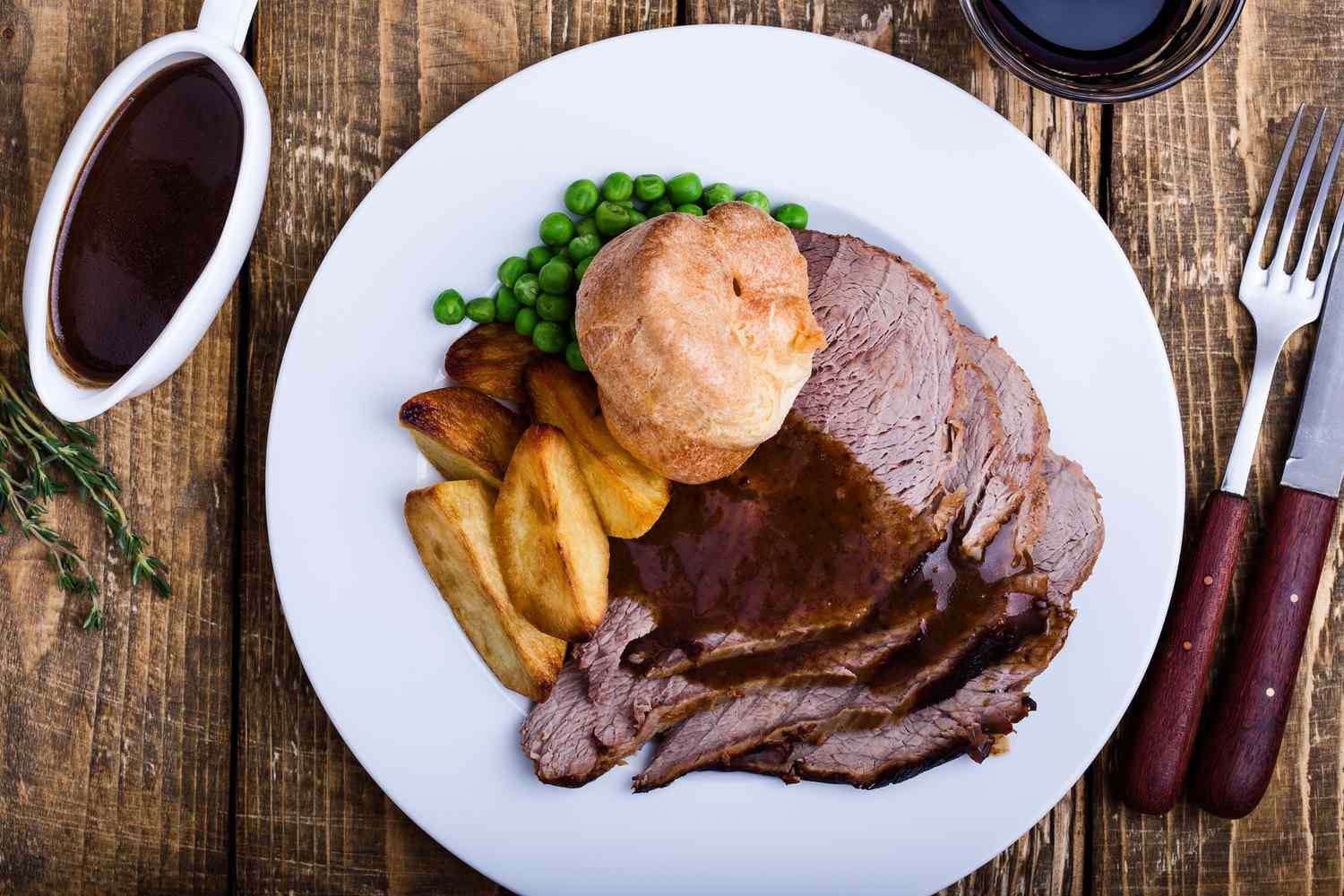
Every Brit worth their salt gathers for Sunday roast, a ritual as old as the hills. It’s not just dinner; it’s a weekly reset with crackling pork, golden spuds, and rivers of gravy—think Thanksgiving, but every week and way less turkey-focused.
I crashed a mate’s family do in the Midlands once, elbow-deep in yorkies and red wine. Laughter echoed louder than the carving knife; that’s the magic.
Yorkshire Pudding: The Unsung Hero
Batter baked into airy puffs, soaked in meat juices—England’s “national dish” alongside roast beef. Simple ingredients: flour, eggs, milk, but magic in the oven blast.
Rise ’em hot and high for that popover wow.
Roast Variations Across Regions
- English: Beef with horseradish.
- Scottish: Venison haunch.
- Welsh: Lamb with mint sauce.
Pros: Bonding time gold; leftovers rock. Cons: All-day affair; veggie options need tweaking.
| Roast Type | Meat | Sides | Region |
|---|---|---|---|
| Beef | Ribeye | Yorkies, carrots | England |
| Lamb | Leg | Mint peas | Wales |
| Pork | Belly | Apple sauce | Scotland |
Bangers and Mash: Pub Classic Comfort
“Bangers and mash”—sausages that pop (hence “bangers”) nestled in creamy mash, drowning in onion gravy. Dating back to WWII rations, it’s the ultimate rainy-day hug, served in pubs where the beer’s as vital as the spuds.
Tried it first in a Liverpool boozer, chasing live music with a pint. The gravy’s sweet-savory hug? Chef’s kiss.
Making It Mash-Worthy
Cumberland sausages for spice, Yukon Golds for fluff, caramelized onions in stock-based gravy. Add peas for color and crunch.
It’s budget-friendly genius—under £5 a pop.
Quick Recipe Tip
- Boil spuds till fork-tender.
- Mash with butter, milk, salt.
- Fry bangers, deglaze pan for gravy.
For authenticity, source British sausage makers.
Pies Galore: From Cornish to Steak and Kidney
Pies are Britain’s portable poetry—flaky pastry cradling fillings that range from humble to hearty. The Cornish pasty, sealed like a criminal’s lunch for tin miners, seals the deal with its crimped edge.
In Cornwall, I bit into one hot from a bakery window; steam escaped like a secret, revealing spiced beef and swede. Heaven.
Types to Tackle
- Cornish Pasty: Hand-raised crust, protected status.
- Steak and Kidney: Oxtail-rich, suet pastry.
- Pork Pie: Jelly-set, picnic staple.
Bullet-proof for travel; con: crumbly mess if eaten on the go.
Shepherd’s Pie vs. Cottage Pie: The Great Debate
These twin terrines confuse even locals—ground lamb under mash for shepherd’s (lamb herders), beef for cottage (cottagers). Both baked till bubbly, they’re thrift-food elevated.
Debated one over pints in Dublin (close enough); settled on loving both.
Key Differences
- Shepherd’s: Lamb, rosemary zip.
- Cottage: Beef, richer stock.
| Aspect | Shepherd’s Pie | Cottage Pie |
|---|---|---|
| Meat | Lamb | Beef |
| Herbs | Thyme | Bay leaf |
| Origin | Scottish borders | English farms |
Pro: Freezer-friendly. Con: Mashed top can sog if reheated wrong.
Toad in the Hole: Yorkshire’s Whimsical Wonder
Sausages baked in a giant Yorkshire pudding “hole”—toad’s the cheeky name, no amphibians harmed. Born from cheap eats in 18th-century inns, it’s gravy-drenched joy.
Laughed my way through one in Leeds; the “toads” bobbed like buoys in batter sea.
Batter Basics
Eggs, flour, milk—rested overnight for rise. Porkers inside, roasted veg sides.
Humor alert: Tastes better than it sounds.
Scotch Egg: Picnic Powerhouse
A hard-boiled egg wrapped in sausage, breaded and fried—picnic perfection since Fortnum & Mason’s 1730s debut. Crispy outside, oozy yolk in.
Devoured at a Glastonbury fest; messy but mighty.
How to Wrap It Right
Season mince with sage, encase egg gently, panko coat. Deep-fry to gold.
Pro: Protein punch. Con: Fiddly assembly.
Afternoon Tea: Elegant Indulgence
Scones, clotted cream, jam—stacked with finger sandwiches and cakes. Ritualized by the Duchess of Bedford in 1840s, it’s posh but playful.
Sipped in Bath’s Pump Room; felt like Jane Austen, minus the corset.
The Cream Tea Conundrum
Devon: Cream first, jam second. Cornwall flips it—regional rivalry!
- Sandwiches: Cucumber, egg mayo.
- Sweets: Victoria sponge.
Link to Afternoon tea spots.
Sweet Endings: Sticky Toffee Pudding
Dates pureed into sponge, drowned in toffee sauce—post-war invention that’s sticky-sweet sin. Warm, gooey, with vanilla ice cream.
First taste in the Lakes; spoon stood upright in sauce. Decadent delight.
Why It Sticks
Baking soda tenderizes dates; double cream sauce seals fate.
Con: Waistline warning.
Haggis, Neeps, and Tatties: Scottish Pride
Sheep’s offal minced with oats, encased and boiled—Burns Night star. Paired with turnips (neeps) and potatoes (tatties).
Tried at Edinburgh Castle; bolder than expected, with whisky chaser.
Beyond the Burns
Oat heartiness, nutmeg spice. Veggie versions rock.
Pro: Cultural deep-dive. Con: Offal aversion.
Welsh Rarebit: Cheesy Toast Elevated
Cheddar melted with ale, mustard, over toast— “rabbit” from French “rare” for half-cooked. Tavern treat since 1725.
In Cardiff, it melted my cheese prejudices.
The Melt Method
Guinness for bitterness, egg yolk bind. Grill till bubbly.
Simple supper savior.
Regional Twists: From Black Pudding to Bubble and Squeak
Black pudding’s blood sausage shines in Bury; bubble and squeak repurposes roast veg into fritters. Each corner adds flair.
In Ireland’s North, Ulster fry amps the breakfast.
- Black Pudding: Iron boost, fried crisp.
- Bubble and Squeak: Squeaks from pan heat.
Table: Regional Specials
| Region | Dish | Key Ingredient |
|---|---|---|
| North England | Black Pudding | Pig’s blood |
| London | Bubble and Squeak | Leftover cabbage |
| Scotland | Haggis | Sheep pluck |
Where to Hunt Down These Gems in the UK
Navigating Britain’s food scene? Start in London for variety—Poppie’s for chips, The Quality Chop House for roasts. Venture to Cornwall’s pasty trails or York’s pork pie festivals.
- Navigational Tip: Use Michelin Guide for spots.
- Transactional: Book via OpenTable for tea times.
For tools, snag a pie maker to DIY.
People Also Ask About British Food
Diving into what folks Google next? Here’s the scoop on burning questions, pulled straight from search trends.
What is England’s national dish?
Roast beef and Yorkshire pudding top the bill, a Sunday staple symbolizing beefy prosperity since Henry VIII’s era. It’s hearty, with puds rising like proud sentinels.
What is the most popular British food?
Fish and chips reigns supreme, with 284 million portions sold yearly—seaside soul food that’s fried, fresh, and forever.
Is British food actually good?
Absolutely, once you embrace the comfort over couture. From umami-packed pies to creamy puds, it’s soul-satisfying, not showy.
What do British people eat for breakfast?
Beyond the full monty, oats porridge or toast with Marmite—yeasty, polarizing spread that’s love-it-or-hate-it legend.
How has British food evolved?
Immigration spiced it up—think chicken tikka masala as “national dish” per some. Fusion rules now.
FAQ: Your British Bites Burners
Got queries? I’ve fielded these from curious travelers and kitchen newbies alike.
Q: What’s the difference between clotted cream and regular?
A: Clotted’s thick, golden, cooked slow for nutty richness—Devon darling on scones. Regular? Whipped airiness, no depth.
Q: Can I make fish and chips at home without a deep fryer?
A: Yep! Shallow pan-fry in oil, hot and high. Beer batter for bubbles; oven chips if lazy.
Q: Is haggis as gross as it sounds?
A: Nah, it’s like spicy sausage with oats—earthy, warming. Try veggie for ease-in.
Q: Best British dessert for beginners?
A: Sticky toffee—sweet without weird, gooey goodness that’ll convert skeptics.
Q: Where to find British food abroad?
A: US chains like The Black Pudding in Chicago, or global Waitrose imports.
There you have it—a feast of flavors that’ll have you booking that BA flight or stocking your pantry with suet. British food isn’t about perfection; it’s about the stories in every bite, the laughs over spilled gravy, the way it grounds you amid the hustle. Next time you’re in a rainy pub or sunny orchard, raise a fork to the Isles. What’s your must-try? Drop a comment—let’s swap tales. Safe travels, and may your puds always rise.