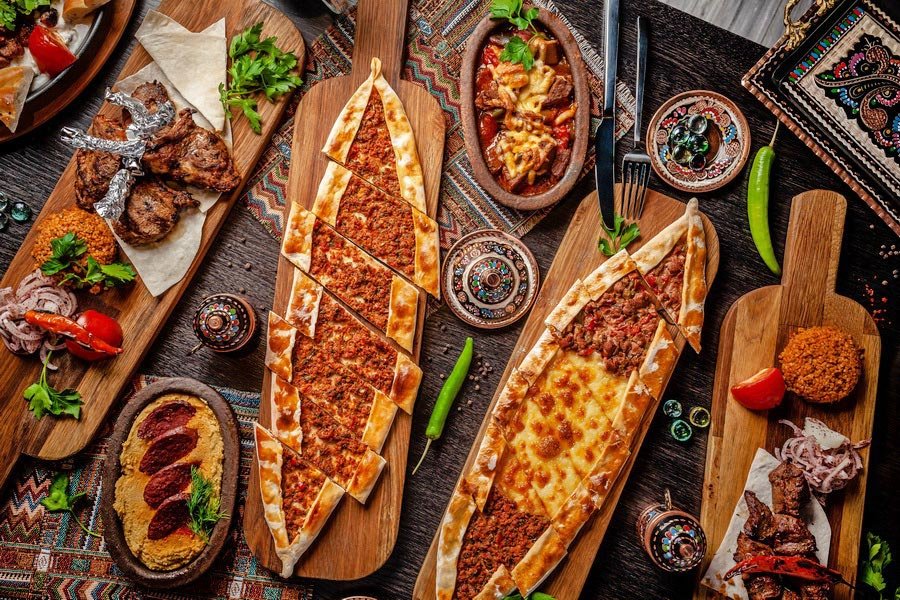
Picture this: It’s a warm evening in Istanbul, the call to prayer echoing softly as the sun dips behind the minarets. I’m squeezed into a tiny corner table at a neighborhood lokanta, the air thick with the scent of sizzling lamb and fresh herbs. My host, an old family friend named Ahmet, slides a steaming plate of Iskender kebab my way—thin slices of tender meat draped over buttery pide bread, swimming in a glossy tomato sauce and crowned with a dollop of thick yogurt. One forkful in, and I’m hooked. That was over a decade ago, during my first trip to Turkey, and it sparked a lifelong obsession with Turkish cuisine. If you’re new to it, like I was, you’re in for a treat. This isn’t just food; it’s a tapestry of history, geography, and heartfelt hospitality woven into every bite. In this guide, we’ll explore the essentials—from ancient roots to modern twists—helping you navigate the vibrant world of Turkish flavors with confidence and curiosity.
Turkish cuisine stands out for its balance of bold and subtle tastes, drawing from a crossroads of cultures that has shaped it over millennia. Whether you’re dreaming of a meze spread under olive trees or craving a sweet hit of baklava, understanding its basics unlocks doors to some of the world’s most soul-satisfying meals. Let’s dive in, shall we? I’ll share tips, stories, and even a few beginner-friendly recipes along the way, because nothing beats recreating that magic in your own kitchen.
The Rich History of Turkish Cuisine
Turkish cuisine isn’t born in a vacuum—it’s a living archive of migrations, empires, and everyday ingenuity. From nomadic Turkic tribes roaming Central Asian steppes to the opulent kitchens of the Ottoman sultans, every layer adds depth to the dishes we savor today. What makes it timeless is how it adapts: hearty stews for harsh winters, light salads for scorching summers. I once spent a rainy afternoon in Ankara’s ethnography museum, poring over ancient cookbooks that revealed how simple yogurt became a canvas for everything from dips to marinades. It’s this evolution that keeps Turkish food feeling fresh, even after centuries.
Roots in Central Asia and Early Influences
Long before the Ottoman Empire, Turkish cuisine took shape among nomadic herders who prized portable, protein-packed foods like dried meats and fermented dairy. These early influences—think yogurt from mare’s milk or flatbreads baked on hot stones—laid the groundwork for staples still enjoyed today. As tribes moved westward, they absorbed Persian spices and Byzantine baking techniques, creating a fusion that’s equal parts rugged and refined. It’s like the food world’s original road trip story, full of unexpected detours and delicious discoveries.
The Ottoman Empire’s Culinary Golden Age
The Ottoman Empire, spanning three continents for over 600 years, turned Turkish cuisine into a global powerhouse. Palace kitchens in Topkapi employed thousands, blending Arab sweets, Balkan veggies, and Asian grilling methods into elaborate feasts. Sultans demanded variety—over 100 dishes per meal wasn’t uncommon—leading to innovations like stuffed vegetables and layered pastries. I chuckle thinking of the “sherbet wars” between rival chefs; competition fueled creativity, much like a friendly family potluck gone imperial. This era’s legacy? A cuisine that’s luxurious yet accessible, where even street vendors channel palace-level flavor.
Key Ingredients That Define Turkish Flavors
At its heart, Turkish cuisine relies on a handful of hero ingredients that punch way above their weight in taste and versatility. Olive oil drizzles over everything from salads to stews, while yogurt adds creamy tang to marinades and sauces. It’s this simplicity—fresh, seasonal picks elevated by smart seasoning—that makes Turkish food so approachable for home cooks. During my time backpacking through Cappadocia, I watched villagers grind their own spices at dawn; that hands-on ritual reminded me how these basics connect us to the land.
- Yogurt (Yoğurt): The ultimate multitasker—eaten plain, whipped into dips like cacık, or layered in kebabs for cooling contrast.
- Olive Oil (Zeytinyağı): Golden and fruity, it’s the base for zeytinyağlı dishes (olive oil-cooked veggies) that scream Mediterranean health.
- Tomato and Pepper Paste (Salça): Concentrated umami bombs; red for sweet heat, green for grassy bite, stirred into everything from soups to meatballs.
- Sumac: A tart, lemony spice from dried berries—sprinkle it on salads or fries for that zingy lift.
- Pul Biber (Aleppo Pepper): Mildly spicy flakes with fruity notes; it’s the secret handshake of Turkish seasoning.
These aren’t just pantry staples; they’re storytellers. Sumac, for instance, evokes the sour cherries of Black Sea summers, while salça ferments in sun-baked jars like family heirlooms.
Iconic Dishes: From Street Eats to Feast Table Stars
No introduction to Turkish cuisine would be complete without spotlighting its showstoppers—dishes that range from quick bites to multi-course symphonies. Meze platters kick off meals with playful variety, while kebabs deliver smoky satisfaction. I still laugh at my attempt to conquer a full Gaziantep feast on my first solo trip; by the third round of stuffed vine leaves, I was tapping out, blissfully stuffed. These foods aren’t just fuel—they’re invitations to linger, share, and savor.
Meze: The Joy of Small Plates
Meze is Turkish cuisine’s love letter to sharing: cold dips, warm veggies, and pickled bites that whet the appetite without overwhelming it.
Think of it as tapas’ gregarious cousin, perfect for lazy afternoons with friends. A classic spread might include haydari (garlicky yogurt with walnuts) or enginar (artichoke hearts in olive oil). In Izmir’s seaside tavernas, I once spent hours nibbling fava bean puree while the Aegean lapped nearby—pure poetry on a plate.
Kebabs: Grilled Meats with a Smoky Soul
Kebabs are the undisputed kings of Turkish grilling, from chunky şiş (skewered) to the spinning döner that birthed global gyro cousins. Marinated in yogurt and spices, they’re charred over open coals for that irresistible crust. Urfa kebab, with its fatty lamb and slow roast, melts like butter; pair it with lavaş bread and you’re in heaven. My go-to guilty pleasure? Adana kebab, spicy enough to wake you up but balanced by a side of cacık—it’s the thrill of fire without the burn.
Soups and Stews: Comfort in Every Spoonful
Turkish soups aren’t sides; they’re hearty starters that set the tone for the meal. Mercimek çorbası (red lentil soup) is a weeknight warrior—simmered with onions, mint, and a lemon squeeze for bright warmth. Stews like kuru fasulye (white beans in tomato broth) nod to rural roots, slow-cooked till tender. During a chilly hike in the Taurus Mountains, a roadside bowl of tarhana soup—fermented grain yogurt—felt like a hug from grandma. Simple, nourishing, and endlessly adaptable.
Desserts: Sweet Symphonies of Nuts and Pastry
End on a high note with Turkish sweets that marry crunch and chew in decadent harmony. Baklava layers phyllo with pistachios and honey syrup; one bite, and you’re lost in flaky bliss.
Kunefe, cheese-stuffed shredded pastry drizzled with sherbet, is cheesier than it sounds—in the best way. I once bartered for a tray in Gaziantep’s baklava alleys; the vendor’s wink as he snuck in extras? That’s the sweet side of Turkish generosity.
Beverages: Sips That Steal the Show
In Turkey, drinks aren’t afterthoughts—they’re rituals that punctuate the day. From dawn’s strong coffee to evening’s anise-laced raki, each pour fosters connection. Tea houses buzz with chatter over endless refills, turning strangers into story-swappers. My favorite memory? Sipping salep (orchid root latte) on a snowy night in Bursa, its cinnamon dust warming me from the inside out. These elixirs balance meals and moods with effortless grace.
Tea and Coffee: Daily Rituals of Hospitality
Turkish çay (black tea) flows like water—served in tulip glasses, it’s the social glue of every gathering.
Brewed strong and sipped scalding, it pairs with everything from simit (sesame pretzels) to deep talks. Turkish coffee, grounds and all, is fortune-telling fuel; read the dregs for a laugh or a life lesson. I learned this in a Galata cafe, where my “fortune” predicted adventure—spot on, as it turned out.
Raki and Beyond: The Spirit of Celebration
Rakı, the milky “lion’s milk,” turns clear with water and packs an anise punch—ideal with meze. Non-alcoholic stars like ayran (salty yogurt drink) refresh kebab feasts, while şalgam (fermented turnip juice) adds tangy fire to Adana nights. It’s all about harmony: bold sips that enhance, never overpower.
Regional Variations: A Country of Culinary Contrasts
Turkey’s diverse landscapes breed wildly different palates—from Aegean seafood to Anatolian grains. Each region tweaks classics with local flair, like Black Sea hamsi (anchovy) pilafs or Southeastern pistachio everything. Wandering from coast to plateau feels like tasting a nation in full color. I got lost (delightfully) in Van once, devouring otlu peynir (herb cheese) that tasted of alpine meadows—proof that place profoundly flavors plate.
| Region | Signature Dish | Key Ingredients | Flavor Profile |
|---|---|---|---|
| Aegean (West) | Zeytinyağlı Dolma | Rice, pine nuts, olive oil | Fresh, herby |
| Black Sea (North) | Hamsili Pilav | Anchovies, rice, dill | Briny, earthy |
| Mediterranean (South) | Tantuni | Lamb, spices, lavash wrap | Spicy, street-smart |
| Central Anatolia | Testi Kebab | Lamb in clay pot, veggies | Slow-smoked depth |
| Southeast | Ciğer Kebab | Liver skewers, sumac | Bold, offal-rich |
This table highlights how geography dictates genius—coastal lightness versus inland heartiness.
Turkish Cuisine Around the World: Authentic vs. Fusion
Global Turkish spots thrive in cities like London and New York, exporting döner trucks and baklava bakeries. But authenticity varies: a Berlin kebab joint might swap lamb for beef, while LA fusion adds kimchi to lahmacun. Pros of authentic? Unmatched depth from tradition. Cons? Harder to find abroad without hunting. Fusion’s upside: Innovation, like vegan meze. Downside: It can dilute that smoky soul. I adore both—my NYC haunt’s raki-paired tacos had me grinning like a kid.
Pros of Authentic Turkish Cuisine:
- Layers of history in every spice blend.
- Health perks from olive oil and veggies.
- Communal vibe that turns meals into memories.
Cons:
- Can be meat-heavy for veggies.
- Sourcing ingredients like isot pepper takes effort.
Pros of Fusion Twists:
- Accessibility for picky eaters.
- Creative surprises, like matcha baklava.
- Global availability.
Cons:
- Risks losing Ottoman nuance.
- Inconsistent quality in chains.
Where to Experience Turkish Cuisine: From Istanbul Streets to Home Kitchens
Craving the real deal? Istanbul’s Grand Bazaar hums with street food—döner carts and simit vendors everywhere.
For sit-down magic, hit Çiya Sofrası in Kadıköy for regional stews or Deraliye in Sultanahmet for Ottoman revivals. Abroad? London’s Mangal offers smoky grills; check this guide for more. Navigational tip: Use apps like Zomato for hidden gems—I’ve stumbled on treasures that way.
Cooking Turkish Food at Home: Beginner-Friendly Tools and Recipes
Why wait for vacation? Whip up Turkish magic with basics like a cast-iron grill pan and sharp knife. For transactional ease, snag tomato paste from Amazon or a local Middle Eastern market—here’s a starter kit. Start simple: My foolproof mercimek çorbası recipe serves four in 30 minutes. Sauté onions in olive oil, add red lentils, carrots, and stock; simmer till creamy, then blitz with cumin and lemon. Pair with bread, and boom—cozy night in.
For kebabs, marinate ground lamb overnight in yogurt, garlic, and pul biber; shape onto skewers and grill. Tools? A meze board for platters elevates the vibe. Pro tip: Experiment fearlessly—Turkish cooking forgives tweaks, rewarding bold hearts.
People Also Ask: Common Questions About Turkish Cuisine
Diving into search trends, here’s what folks often wonder—straight from Google’s “People Also Ask” on Turkish food queries. I’ve answered with real-talk insights to cut through the noise.
What Makes Turkish Cuisine Unique?
Turkish cuisine shines in its crossroads appeal, fusing Central Asian nomadism with Mediterranean freshness and Ottoman extravagance. Unlike spicy Indian curries, it’s balanced—smoke tempers sweet, acid cuts fat. The meze culture encourages grazing over gorging, making meals social events. It’s unique because it feels both ancient and approachable, like a wise friend sharing secrets over tea.
What Are the Most Popular Turkish Dishes?
Top hits include Iskender kebab for its saucy indulgence, dolma (stuffed leaves) for veggie joy, and baklava for that nutty crunch. Don’t sleep on pide (Turkish pizza) or mantı (yogurt-draped dumplings). In polls and street polls alike, kebabs reign, but meze steals hearts for variety. My vote? Lahmacun—crispy, herby, and gone in two bites.
Is Turkish Food Healthy?
Absolutely, with caveats. Loaded with olive oil, greens, and yogurt, it aligns with the Mediterranean diet’s heart-healthy rep. Lentil soups pack fiber; grilled meats lean on veggies. But portions can tip caloric—balance with walks, like Turks do. For veggies, zeytinyağlıs are gold. Overall? Nourishing fuel that tastes like indulgence.
Where Did Turkish Cuisine Originate?
It sprouted from 11th-century Seljuk migrations, blooming under Ottoman rule (1299–1922). Central Asian yogurt met Byzantine pastries; Arab sweets joined the fray. Istanbul’s kitchens refined it into a UNESCO intangible heritage. Origins? A nomadic spark, imperial polish—endless evolution.
What Drinks Pair Best with Turkish Food?
Çay or ayran for everyday; raki for meze marathons; Turkish coffee post-feast. Salep warms winter stews; şıra (grape juice) refreshes kebabs. The rule? Light and local—let the food lead the sip.
FAQ: Your Turkish Cuisine Questions Answered
Got lingering curiosities? Here’s a quick-fire FAQ based on real user searches—concise, honest, and ready to roll.
Q: Is Turkish food spicy?
A: Not overwhelmingly—mild peppers like pul biber add warmth without fire. Southeastern dishes amp it up, but you control the heat. If you’re sensitive, ask for “az baharatlı” (lightly spiced).
Q: What’s a typical Turkish breakfast?
A: A glorious spread: cheeses, olives, tomatoes, cucumbers, menemen (scrambled eggs with peppers), and simit. It’s communal and customizable—load your plate like a flavor buffet.
Q: How do I store Turkish spices for freshness?
A: In airtight jars away from light; sumac lasts a year, pul biber six months. Buy small batches—nothing beats grinding fresh for that aroma pop.
Q: Are there vegan options in Turkish cuisine?
A: Plenty! Zeytinyağlı veggies, lentil köfte, and imam bayıldı (stuffed eggplant) shine. Skip the yogurt toppings, and you’re golden—Turkish roots run deep in plant-based eats.
Q: What’s the best time to visit Turkey for food festivals?
A: Late summer for Gaziantep’s baklava fest or fall’s olive harvests in Ayvalık. Spring brings wild herb mezes—align with seasons for peak freshness.
Wrapping Up: Why Turkish Cuisine Captures Hearts
From that first Iskender bite to late-night raki toasts, Turkish cuisine has woven itself into my story—and I hope it does the same for you. It’s more than recipes; it’s a reminder to eat with intention, share without hesitation, and let flavors transport you. Whether you’re grilling kebabs in your backyard or daydreaming of Istanbul’s bazaars, start small: Brew some çay, grab sumac, and let the adventure unfold. What’s your first Turkish dish? Drop a comment—I’d love to swap stories. Afiyet olsun—may it do you good.