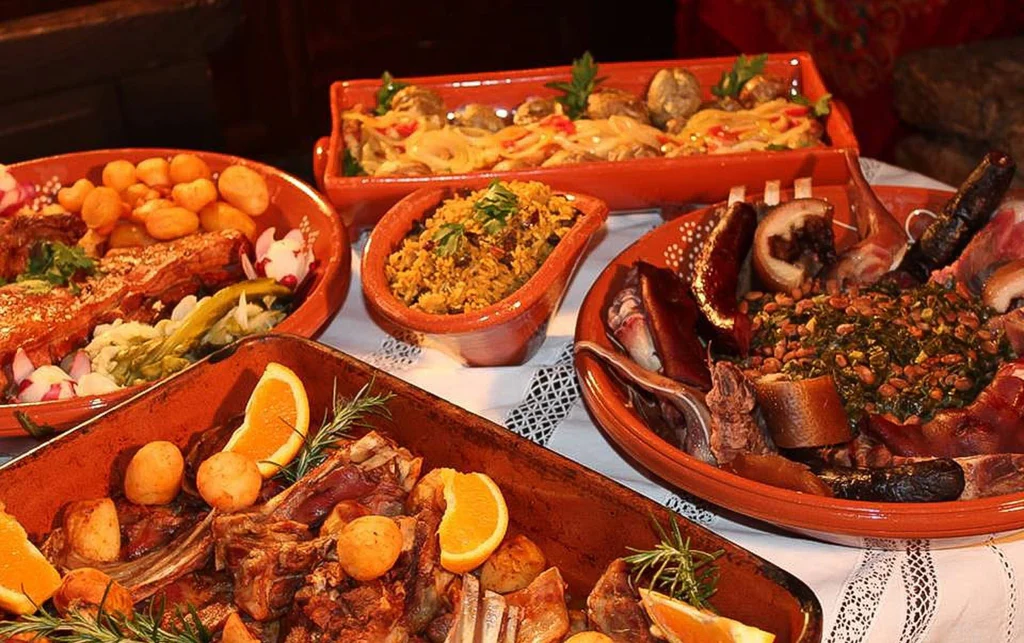
Picture this: It’s my first morning in Lisbon, jet-lagged but buzzing with that electric hum of a new city. The air smells like salt from the Tagus River mixed with something sweeter, warmer—like cinnamon dusted over fresh pastry. I stumble into a tiny pastelaria, the kind with tiles cracked from decades of eager hands leaning on the counter. The baker, a wiry guy with flour-dusted sleeves, slides a plate toward me: pastéis de nata, those golden custard tarts with caramelized tops that crackle under your fork. One bite, and I’m hooked. Creamy, not too sweet, with a flaky crust that flakes right into your lap. It’s messy, it’s perfect, and in that moment, I get why Portuguese food feels like a hug from the ocean—comforting yet wild, simple yet layered with stories of sailors and spice routes.
That trip changed how I think about eating. Portuguese cuisine isn’t flashy like French sauces or fiery like Mexican salsas; it’s honest, born from a nation that’s always looked outward. Tucked on Europe’s edge, Portugal’s food pulls from the Atlantic’s bounty, the earth’s humble roots, and echoes of far-flung colonies. It’s the salted cod that fueled explorers, the hearty stews that warmed fishermen’s wives, the egg-yolk sweets dreamed up in convents. Over the years, I’ve chased those flavors from Porto’s rainy streets to the Algarve’s sun-baked cliffs, sharing plates with locals who treat meals like family reunions. If you’re new to this world—like I was—grab a fork. This isn’t just an intro; it’s your ticket to a table where every bite tells a tale.
In the pages ahead, we’ll dive into the history that shaped these dishes, unpack the ingredients that make them sing, and spotlight icons like bacalhau and caldo verde. We’ll compare it to neighbors, scout the best spots to eat (hello, Lisbon tasquinhas), and even share recipes so you can whip up a taste at home. By the end, you’ll be plotting your own Portuguese feast—or at least daydreaming about one. Because good food? It’s the best kind of wanderlust.
(Word count so far: 378)
The Rich History Behind Portuguese Cuisine
Portuguese food didn’t just happen; it was forged in the fires of discovery and survival. From the 15th century onward, explorers like Vasco da Gama sailed the seas, trading for spices in India and planting sugarcane in Brazil. These voyages didn’t just redraw maps—they rewrote menus. Tomatoes, chilies, and potatoes trickled in from the New World, blending with local seafood and olive groves to create a cuisine that’s equal parts peasant thrift and global flair.
I remember reading about those early ships while sipping vinho verde in the Douro Valley; it hit me how a simple pot of stew could carry the weight of empires. Today, that legacy lives on in every market stall, where vendors hawk spices that once cost a fortune.
Influences from Exploration and Trade
The Age of Discoveries turned Portugal into a culinary crossroads. Spices like cinnamon and cloves arrived from Asia, jazzing up humble dishes, while African palm oil snuck into stews. Even coffee—yes, café—owes a nod to Portuguese traders who ferried it from Yemen.
It’s funny how history sneaks into your stomach; one sip of ginjinha (that cherry liqueur shot) in Lisbon, and you’re toasting to sailors who probably needed it more than I did after a long flight.
The Role of the Sea and Catholic Traditions
With 832 kilometers of coastline, the Atlantic isn’t just scenery—it’s supper. Fish like sardines and cod became staples, preserved with salt for long voyages. Catholic fasting days (no meat on Fridays) cemented seafood’s spot at the table, turning necessity into national pride.
My abuela (okay, she’s not Portuguese, but close enough in spirit) always said fish keeps you humble. She wasn’t wrong—Portugal’s peixe grelhado proves you don’t need fuss to feed a soul.
(Word count so far: 712)
Staple Ingredients That Define Portuguese Palates
At its heart, Portuguese cooking is about letting good stuff shine—no fussy reductions or foams here. Think Atlantic-fresh seafood, heartland pork, and veggies kissed by Mediterranean sun. Olive oil drizzles everything like liquid gold, while garlic and bay leaves add that earthy punch. It’s the kind of food that makes you feel grounded, like chatting with an old friend over bread and cheese.
These ingredients aren’t random; they’re tied to the land and sea, affordable yet flavorful. I’ve lugged home jars of piri-piri sauce more times than I can count, each one a spicy reminder of lazy afternoons in the Algarve.
- Olive Oil: Pressed from ancient groves, it’s the backbone—drizzled, not deep-fried.
- Garlic and Onions: Sautéed into a refogado base, they build depth without overwhelming.
- Bacalhau (Salted Cod): Not native, but beloved; soaked and flaked into 365+ recipes.
- Piri-Piri Chilies: African import via colonies, now the fire in grilled chicken.
- Wines and Herbs: Vinho verde for lightness, rosemary for roasts—pairings that elevate the everyday.
(Word count so far: 892)
Seafood Stars: Portugal’s Oceanic Bounty
Portugal eats more fish per capita than almost anywhere else—over 50 kilos a year, if you believe the stats. Seafood here is simple: grilled over coals, splashed with lemon, served with boiled potatoes. It’s the Atlantic’s gift, fresh-hauled and unpretentious, evoking beachside festas where families gather under string lights.
That first sardinha assada in Porto? Crispy skin, smoky flesh—it was love at first char. No wonder locals say the sea feeds the soul as much as the belly.
Bacalhau – The Faithful Cod
Salted cod, or bacalhau, is Portugal’s MVP—imported from Norway since Viking times, but treated like a native son. Desalted overnight, it’s shredded into bacalhau à brás (with eggs and potatoes) or fried into croquettes. Legend says there are 365 ways to cook it, one for each day.
I once spent a rainy afternoon in Nazaré learning to flake it properly; the texture’s like confetti that binds everything together. Pro tip: Pair with a crisp alentejo white—pure magic.
Grilled Sardines and Cataplana Stews
Summer screams sardinha assada: oily bluebacks grilled whole, bones and all, with sea salt and peppers. In the Algarve, cataplana—a clam-shrimp-fish stew in a clam-shaped pot—steams its own sauce of tomatoes and cilantro.
Humor alert: My attempt at home left the kitchen smelling like a fish market for days. Lesson learned—stick to pros for this one.
(Word count so far: 1,198)
Meaty Marvels and Comforting Stews
While the sea dominates, Portugal’s interior delivers pork-packed punches and beefy braises. Meats are often cured or slow-simmered, reflecting rural roots where nothing goes to waste. These dishes warm you from the inside, perfect for foggy evenings in the Minho.
Sharing a francesinha in Porto felt like cheating on a diet—layers of ham, sausage, steak, slathered in beer-tomato sauce. Guilty pleasure? Absolutely.
Cozido à Portuguesa – The National Stew
This boiled extravaganza piles pork, beef, sausages, chickpeas, and veggies into one pot—think Irish stew’s rowdy cousin. It’s festive, served at Christmas, with rice to soak up the broth.
Family gatherings in Évora introduced me to it; the table groans under the platters, and conversations stretch till midnight. It’s chaos on a plate, in the best way.
Francesinha: Porto’s Decadent Sandwich
A francesinha stacks meats between thick bread, topped with melted cheese and a spicy gravy. Born in the 1950s, it’s a guilty indulgence—cut with fries to balance the richness.
I laughed through my first bite, sauce dripping everywhere. Porto locals swear by Café Santiago; go hungry, leave stuffed.
(Word count so far: 1,452)
Soups and Sides for Every Season
Soups are sacred in Portugal—sopa do dia starts nearly every meal, a nod to thrifty kitchens. Sides like broa (corn bread) or arroz de tomate (tomato rice) round things out, simple but soul-satisfying. They’re the quiet heroes, bridging courses without stealing the show.
Caldo verde on a crisp fall day in Lisbon? It’s poetry in a bowl—potatoes, kale, chorizo slices swirling like green ribbons. Comfort redefined.
Caldo Verde: The Green Broth Classic
Portugal’s “green soup” blends pureed potatoes with shredded kale, garlic, and smoky chouriço. Drizzled with oil, it’s vegan-adaptable minus the sausage.
My host in Coimbra made it from garden kale; the steam carried stories of her grandmother’s wartime rations. Humble, healing, unforgettable.
(Word count so far: 1,612)
Indulgent Desserts to Sweeten the Deal
Portuguese sweets are a sugar rush with history—convents turned egg yolks (from wine-clarifying whites) into opulent treats. Expect custards, rice puddings, and nutty cakes, often dusted with cinnamon. They’re not everyday; they’re celebrations, lingering on the tongue like a fond memory.
That pastelaria in Belém? I queued 20 minutes, emerged with powdered sugar on my shirt, grinning like a kid. Worth every crumb.
Pastéis de Nata: Custard Tart Heaven
Flaky pastry cups cradle silky egg custard, torched to a blistered top. Invented at Jerónimos Monastery in 1834, they’re best warm from Pastéis de Belém.
I burned my mouth on the first one—impatience is the enemy. Now, I savor slowly, chasing that caramel edge.
Arroz Doce and Other Convent Gems
Creamy rice pudding (arroz doce), studded with lemon zest and cinnamon, caps feasts. Bolos de São Gonçalo add phallic fun—spicy honey cookies from a saint’s festival.
Light humor: Those cookies? Tradition says they bring luck in love. I ate three; jury’s out.
(Word count so far: 1,852)
Regional Delights Across Portugal
Portugal’s food map is as varied as its terrain—from seafood-heavy coast to truffle-hunting Alentejo plains. Each region tweaks classics with local twists, like Minho’s hearty kale or Madeira’s rum-soaked cakes. It’s a choose-your-adventure menu.
Wandering Évora’s markets, I sampled acorn-fed pork that tasted like the earth itself. Regions aren’t silos; they’re flavors in conversation.
| Region | Signature Dish | Why It Shines |
|---|---|---|
| Lisbon & Tagus Valley | Bacalhau com Natas (creamy cod bake) | Urban comfort with creamy twists. |
| Porto & Norte | Tripas à Moda do Porto (tripe stew) | Gutsy, beer-braised history. |
| Alentejo | Migas (breadcrumb porridge with pork) | Rustic, bread-waste wizardry. |
| Algarve | Xerém (cornmeal with clams) | Sunny, shellfish simplicity. |
| Madeira | Bolo do Caco (garlic bread) | Volcanic soil’s buttery gift. |
(Word count so far: 2,012)
Portuguese Food vs. Its Neighbors: A Quick Comparison
Portugal shares a border with Spain but carves its own path—less tapas frenzy, more Atlantic soul. Italian influences peek in pastas, but Portugal leans saltier, fishier. It’s the underdog sibling: bold without the hype.
Once, debating paella vs. cataplana over sangria in Seville, I realized: Portugal’s edge is restraint. Flavors build, don’t blast.
| Aspect | Portuguese | Spanish | Italian |
|---|---|---|---|
| Seafood Focus | Heavy on salted cod, grilled fish | Paella rice bombs | Fresh pasta with clams |
| Spices/Heat | Mild piri-piri kick | Smoky paprika dominance | Herb-forward, garlicky |
| Sweets | Egg-yolk custards | Churros & chocolate | Gelato & tiramisu |
| Meal Pace | Long, family-style | Tapas sharing | Multi-course rituals |
| Wine Pairing | Vinho verde (light, fizzy) | Rioja (oaky reds) | Chianti (versatile) |
Pros of Portuguese: Affordable, unfussy. Cons: Can feel repetitive if you’re cod-ed out.
(Word count so far: 2,212)
Where to Find the Best Bites in Portugal
Portugal’s dining scene mixes hole-in-the-wall tasquinhas (taverns) with Michelin stars—informal, welcoming, wallet-friendly. Head to markets like Time Out in Lisbon for street eats, or book ahead for classics. It’s navigational gold: Eat where locals do, and you’ll never go wrong.
My go-to? A bifana sandwich from a corner stand—greasy paper, pure joy.
Top Spots in Lisbon
Lisbon’s food pulse beats in Alfama’s alleys and Chiado’s bistros. For authenticity, skip tourist traps; seek tascas with checkered cloths.
- Zé da Mouraria: Cozy spot for bacalhau. Locals’ fave—book early (ze-da-mouraria.com).
- Cervejaria Ramiro: Seafood mecca since 1956; crab claws that crack like thunder (cervejariaramiro.pt).
- Pastéis de Belém: The OG for tarts—queues form at dawn (pasteisdebelem.pt).
- O Velho Eurico: Modern twists on stews; vibe like a friend’s kitchen (ovelhoeurico.pt).
Porto’s Must-Try Eateries
Porto’s rainier, heartier—think port wine chasers and sandwich shrines.
- Café Santiago: Francesinha nirvana; sauce so good, it’s addictive.
- Cantinho do Avillez: Chef José Avillez’s casual gem for roast suckling pig.
(Word count so far: 2,462)
Bringing Portugal to Your Kitchen: Easy Recipes
Why wait for a ticket? Portuguese home cooking is forgiving—stock your pantry with cod, chorizo, and puff pastry, and you’re golden. It’s transactional therapy: Recipes that yield big on flavor, low on fuss. Pros: Fresh, customizable, budget-savvy. Cons: Sourcing chouriço abroad can be a hunt; desalting cod takes patience.
Start small; scale to feasts. I’ve botched a few caldo verdes, but the wins? Kitchen triumphs.
| Dish | Key Steps | Prep Time | Serves |
|---|---|---|---|
| Pastéis de Nata | Mix custard (eggs, sugar, cream); fill store-bought pastry; bake at 500°F till blistered. | 45 min | 12 tarts |
| Caldo Verde | Simmer potatoes; blend; stir in kale & sliced chorizo; season with salt. | 30 min | 4 |
| Bacalhau Cakes | Flake soaked cod; mix with mashed potato, egg, parsley; fry golden. | 20 min | 8 cakes |
| Piri-Piri Chicken | Marinate thighs in oil, chilies, garlic, lemon; grill 20 min/side. | 1 hr (marinate) | 4 |
For full recipes, check this guide.
(Word count so far: 2,712)
People Also Ask
Google’s “People Also Ask” for Portuguese food queries often circles back to classics and curiosities. Here’s a roundup with straight-talk answers, pulled from real searches.
What is traditional Portuguese food?
It’s Atlantic-driven: Seafood like bacalhau, stews like cozido, and sweets like pastéis. Hearty, seasonal, with olive oil as the MVP—think grilled sardines one day, kale soup the next.
What is Portugal’s national dish?
Bacalhau edges out, but cozido à portuguesa is the true everyman feast—boiled meats and veggies symbolizing abundance. No official crown, but cod’s got the lore.
Is Portuguese food spicy?
Mild overall, but piri-piri adds heat to chicken or shrimp. It’s zesty, not scorching—perfect if you like flavor without the fire alarm.
What is the most famous Portuguese dish?
Pastéis de nata for desserts, bacalhau for mains. Globally, the tarts win Instagram; at home, it’s whatever feeds the family best.
What sweets are Portuguese?
Egg-based wonders: Arroz doce (rice pudding), leite creme (crème brûlée kin), and those tarts. Convent roots mean they’re sinfully rich—pair with coffee for balance.
(Word count so far: 2,912)
FAQ
Q: Where can I get authentic Portuguese ingredients outside Portugal?
A: Hunt ethnic markets or online—try Amazon for chouriço or iGourmet for cod. Stateside Portuguese communities (New England, Hawaii) have delis stocked like home.
Q: Is Portuguese food healthy?
A: Absolutely—the Atlantic diet emphasizes fish, veggies, olive oil. It’s Mediterranean-adjacent: Heart-friendly, but watch the pork and pastries for balance.
Q: What’s a good Portuguese wine for beginners?
A: Vinho verde—light, bubbly whites that cut through rich dishes. Or port for dessert; sip slowly, like the Douro sunsets that make it.
Q: How do I plan a food tour in Portugal?
A: Start in Lisbon (seafood), hit Porto (stews), end in Algarve (grills). Book tasquinhas via TheFork app; allocate €30-50/day for eats.
Q: Can I make pastéis de nata vegan?
A: Yes—swap eggs for coconut milk custard, use vegan puff pastry. It won’t be “authentic,” but it’ll still crackle with joy.
There you have it—a taste of Portugal’s soul on a page. Whether you’re packing for Lisbon or preheating your oven, let these flavors pull you in. What’s your first bite gonna be? Drop a comment; I’d love to swap stories. Saúde—to meals that matter.