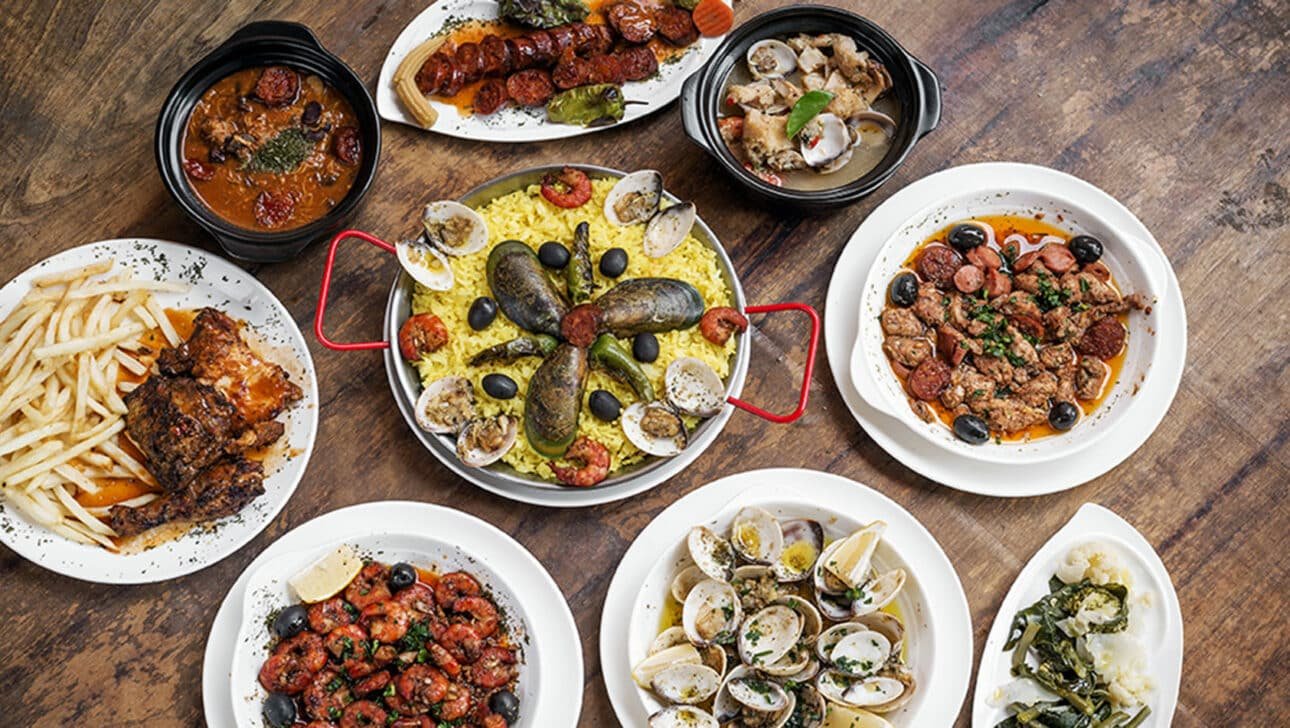
Picture this: It’s a sun-drenched afternoon in Lisbon, the kind where the Tagus River sparkles like it’s showing off, and I’m wandering the cobbled streets of Belém with a paper bag warm from the oven, steam sneaking out the top. That first bite into a pastel de nata—crisp, caramelized edges giving way to silky custard—hit me like a wave of pure joy. I’d traveled halfway around the world chasing stories of Portugal’s seafaring past, but it was the food that hooked me, turning a quick trip into a lifelong love affair with this tiny nation’s massive flavors. If you’re plotting your own Portuguese adventure or just daydreaming from your kitchen, these seven must-try dishes aren’t just meals; they’re little portals to the soul of a country that’s equal parts explorer and epicure. From salty Atlantic bites to hearty northern comforts, they’re simple yet profound, the kind of eats that make you lean in and say, “Tell me more.” Let’s dive in—no passport required, but a napkin is highly recommended.
1. Pastéis de Nata: The Golden Custard Tart That Started It All
These little egg tarts are Portugal’s sweet ambassador, the one dish that sneaks onto global menus but tastes infinitely better where it was born. Imagine a flaky, buttery shell hugging a creamy custard that’s just set, with a scorched sugar top that crackles under your teeth—it’s dessert in a bite-sized hug, perfect with a strong bica coffee to cut the richness. I’ve lost count of how many I’ve devoured, but each one reminds me why Portugal’s sweets feel like whispered secrets from its convents.
A Dash of History
Born in the 18th century at the Jerónimos Monastery in Lisbon, pastéis de nata owe their existence to thrifty monks using leftover egg yolks from wine clarification processes. When the monastery closed in 1834, the recipe moved to a nearby sugar refinery, sparking a bakery that’s still churning them out today. It’s a tale of resourcefulness turning scraps into gold, much like Portugal’s history of turning voyages into an empire.
Ingredients and How It’s Made
At its core, it’s puff pastry dough—layers of flour, butter, and water—pressed into molds and filled with a custard of egg yolks, whole milk, sugar, a cinnamon stick for warmth, and a vanilla pod if you’re fancy. Baked at blistering heat for that signature brûlée top, the whole process takes precision; too long, and it’s rubbery; just right, and it’s transcendent. Home cooks can mimic it with store-bought phyllo, but nothing beats the real deal’s alchemy.
Where to Find the Best Ones
Head straight to Pastéis de Belém in Lisbon for the originals, where lines snake around the block but move fast enough for your growling stomach. In Porto, Manteigaria’s version is crispier, with a side of nostalgia. For a quieter spot, try Fabrica da Nata in the Algarve—fewer tourists, same bliss.
- Pro Tip: Eat them hot, straight from the oven; the contrast of textures is unbeatable.
- Pairing Hack: A shot of ginjinha (sour cherry liqueur) turns it into a boozy afternoon ritual.
- Diet Twist: Go dairy-free with coconut milk swaps if you’re vegan-curious.
2. Sardinhas Assadas: Grilled Sardines, Straight from the Sea
Nothing screams Portuguese summer like the sizzle of fresh sardines hitting a charcoal grill, their skins blistering while the smoky sea air wraps around you. These oily little fish are humble heroes—served whole with a lemon wedge and maybe some roasted peppers—packing a punch of umami that makes fancy sushi feel fussy by comparison. I once scarfed a plateful at a Lisbon street festival, dodging errant bones like a pro, and laughed at how something so simple could taste like the ocean’s best kept secret.
Roots in the Festivals
Sardines have been a staple since Roman times, but they exploded in popularity during medieval feasts honoring saints like Anthony in June. In Santo António celebrations, grills line the streets, turning neighborhoods into edible carnivals. It’s less about recipe and more ritual, a nod to Portugal’s fishing heritage that fed explorers crossing oceans.
What Goes In and How It’s Done
Just gutted, salted sardines—heads on for flavor—brushed with olive oil and grilled over open flames for 5-7 minutes per side till charred but juicy inside. Sides? A salada de pimentos (roasted bell peppers) or boiled potatoes to soak up the juices. No fuss, no frills; the fish’s natural brininess does the heavy lifting.
Prime Spots to Savor Them
During Lisbon’s Sardine Festival in June, street vendors rule, but for year-round, hit Cervejaria Ramiro—think sardines with a side of chaos and cold Sagres beer. In the Algarve, Portimão’s waterfront shacks serve them freshest, caught that morning.
- Bone-Eating Wisdom: Pinch the head, pull the tail—the skeleton slides out clean.
- Seasonal Alert: June to August is peak; off-season, they’re still good but less abundant.
- Health Boost: Omega-3s galore—your heart will thank you amid the indulgence.
3. Bacalhau à Brás: Shredded Cod’s Comforting Scramble
This dish is like a cozy hug from your Portuguese grandma—shredded salt cod tangled with golden fries, onions, and fluffy eggs, all parsley-flecked and olive oil-shiny. It’s not pretty, but oh, the flavors: salty, creamy, a little crisp. My first encounter was in a tiny Lisbon tasca, where the owner plunked it down with a wink, saying, “This one’s for homesick sailors.” One forkful, and I was hooked, dreaming of cod for weeks.
The Salty Legacy
Bacalhau, or salt cod, traces to the 16th century when Portuguese fleets preserved North Atlantic catches with salt for long voyages to India and Brazil. À Brás style emerged in the 19th century in Lisbon’s Bairro Alto, blending worker’s fare with elegance—over 365 recipes exist, one for each day. It’s Lenten gold, fishy without the fuss.
Building the Dish
Desalted cod flakes sautéed with sliced onions till soft, tossed with matchstick fries (pre-fried for crunch), then stirred into beaten eggs for a gentle scramble. Finish with black olives, parsley, and a lemon squeeze. Takes 30 minutes if you’re speedy; the key is not overcooking the eggs.
Top Taverns to Taste It
Time Out Market in Lisbon has Miguel Castro e Silva’s stellar version—fresh and unfussy. In Porto, try O Buraco for a homier take with local vinho verde. Madeira’s ComTradições amps it with tropical twists.
- Desalting 101: Soak cod 24-48 hours, changing water thrice—patience pays off.
- Veggie Swap: Swap fries for zucchini ribbons for a lighter lift.
- Wine Match: Crisp alvarinho whites cut the richness like a dream.
4. Francesinha: Porto’s Towering, Saucy Sandwich Sensation
If sandwiches had personalities, the francesinha would be the bold, boozy uncle who shows up with stories and extra cheese. Layers of meats drowned in a spicy beer-tomato sauce, topped with melty cheese and a fried egg—it’s a knife-and-fork affair that’s equal parts heart attack and heaven. I tackled one in Porto after a rainy Douro cruise, and between bites, I chuckled at how this “little Frenchie” mocks its croque-monsieur roots with unapologetic excess.
From France to Porto Pride
Invented in the 1950s by a homesick French emigrant in Porto, it evolved from the croque-monsieur into a local icon using Portuguese sausages and beer. Now a rite of passage, it’s debated fiercer than soccer—spicy or mild? Wet or dry? Porto claims it like a badge.
Layering the Legend
Bread bookends ham, linguiça sausage, steak, more cheese (usually melted chouriço), and that egg sunny-side up. The sauce? Tomato paste, beer, bay leaves, and chili simmered thick. Bake to meld, serve with fries for dipping. Calorie bomb? Absolutely, but worth every one.
Iconic Eateries
O Afonso in Porto serves a classic, sauce-soaked behemoth. For veggie twists, Lado B innovates with seitan. Lisbon’s Café de São Bento does a lighter homage.
- Sauce Survival: Ask for “molho à parte” if you’re sauce-shy.
- Sharing Strategy: Split one—it’s massive, and your waistline will thank you.
- Beer Boost: Pair with Super Bock; the malt echoes the sauce.
5. Bifana: The No-Nonsense Pork Roll Road Warrior
Slim, spicy, and slung from food trucks across the land, the bifana is Portugal’s answer to the quick lunch—tender pork marinated in garlic and paprika, stuffed in a crusty roll that’s messy in the best way. I grabbed one from a roadside stand near Évora, juice dripping down my chin as I drove, and thought, “This is freedom on a bun.” Simple, satisfying, and stupidly addictive.
Alentejo’s Humble Hero
Hailing from Vendas Novas in the Alentejo around the 19th century, it fueled farmhands and soldiers with cheap, portable protein. Now ubiquitous, even McDonald’s Portugal bows with a McBifana—proof it’s woven into daily life.
Quick and Flavorful Fix
Thin pork cutlets brined in white wine, garlic, lard, paprika, and salt, then fried crisp and piled into a papo seco roll. Optional: mustard or hot sauce for kick. Under 10 minutes to make; the marinade’s the magic.
Street Food Hotspots
Solar da Madalena in Lisbon’s Alfama nails the greasy perfection. Porto’s O Trevo adds cheese for decadence. Algarve beaches have killer versions from beach bars.
- Heat Level: “Com piri-piri” for spice; start mild if you’re tender.
- DIY Hack: Use pork tenderloin for tenderness on a budget.
- Beer Buddy: A Sagres cuts the fat like nobody’s business.
6. Caldo Verde: The Green Soup That Warms the Soul
This velvety kale soup is northern Portugal’s quiet star—potatoes pureed smooth, laced with smoky sausage slices and ribbons of greens, drizzled with olive oil. It’s deceptively light yet filling, the kind of dish that soothes after a blustery day. During a rainy hike in the Douro Valley, a bowl of caldo verde at a family-run spot turned my shivers into sighs; it’s peasant food elevated to poetry.
Minho’s Rustic Roots
From the Minho region since the 17th century, it used hardy kale and potatoes to stretch meager harvests. Eaten at festas and suppers, it’s comfort incarnate, symbolizing Portugal’s farm-to-table ethos before it was trendy.
Simmered Simplicity
Potatoes boiled and mashed with garlic and onion into a broth, stirred with thinly sliced kale (or collards) and chouriço coins for smokiness. A generous olive oil swirl at the end. Broa bread for sopping—pure genius.
Cozy Corners to Enjoy
A Merendiera in Lisbon channels Minho authenticity. Porto’s Casa da Horta pairs it with local greens. Trás-os-Montes hilltop inns serve the heartiest versions.
- Green Upgrade: Use lacinato kale for silkier texture.
- Vegan Vibes: Skip sausage, amp olive oil and smoked paprika.
- Tradition Twist: Serve in clay bowls for that authentic warmth.
7. Arroz de Marisco: Seafood Rice, Ocean in a Bowl
Soupy, saffron-tinged rice studded with clams, shrimp, and monkfish—this Alentejo gem is Portugal’s paella cousin, but wetter and wilder, like the sea crashed a dinner party. The first time I slurped it in Ericeira, waves crashing nearby, I felt the Atlantic in every grain; it’s vibrant, briny, and begs for seconds.
Atlantic Abundance
Born from coastal abundance in the 19th century, it draws on spices from Portugal’s colonies for depth. Fishermen’s wives stretched catches into family feeds, making it a staple from Setúbal to the Azores.
Brothy Brilliance
Short-grain rice simmered in fish stock with tomatoes, peppers, garlic, chili, and mixed seafood till al dente. Coriander and lemon finish it fresh. Unlike dry paella, it’s spoonable—meant to be slurped.
Coastal Gems
Mar à Vista in Ericeira wows with lobster add-ons. Lisbon’s Uma Marisqueira keeps it classic. Algarve’s Ramalhete shines with daily catches.
- Shellfish Savvy: Pry clams open pre-serve; discard unopened ones.
- Home Hack: Frozen seafood works in a pinch—thaw well.
- Wine Whisper: Vinho verde’s fizz cleanses the palate perfectly.
Sandwiches Showdown: Francesinha vs. Bifana
Ever wondered how Porto’s indulgent beast stacks against the nation’s speedy porker? Here’s a quick face-off to settle the score—or spark your next debate.
| Aspect | Francesinha | Bifana |
|---|---|---|
| Size | Towering, shareable mess | Handheld, portable perfection |
| Key Flavors | Meaty, cheesy, beer-sauce spicy | Garlicky, paprikad pork punch |
| Best For | Lazy brunches or post-bar feasts | Road trips or midnight munchies |
| Calorie Hit | High (1,000+ per serving) | Moderate (400-ish) |
| Origin Vibe | 1950s Porto innovation | 19th-century Alentejo workhorse |
Both shine, but if you’re team quick, bifana wins; for decadence, francesinha devours the day.
Pros and Cons of Diving into Portuguese Street Food
Embracing Portugal’s casual eats like bifanas or sardines? Smart move—here’s the real talk.
Pros:
- Affordable Adventure: Plates under €10 feed body and soul without breaking the bank.
- Fresh Factor: Hyper-local sourcing means peak-season zing you can’t fake.
- Social Spark: Street stalls buzz with locals, turning meals into memories.
- Health Perks: Seafood-heavy means omega boosts; kale soups add greens.
Cons:
- Bone Battles: Whole fish demand dexterity—practice or risk a mishap.
- Sauce Stains: Francesinha’s drip factor requires backup attire.
- Seasonal Swings: Summer sardines rule; winter waits test patience.
- Allergy Alerts: Cod and shellfish lurk—check labels if sensitive.
Overall, the pros outweigh the pitfalls; it’s the thrill of the imperfect bite that enchants.
People Also Ask: Your Burning Portuguese Food Questions
Google’s got the pulse on what food lovers wonder—here’s the scoop on top curiosities, pulled from real searches.
What’s the most famous Portuguese dish?
Hands down, pastéis de nata top the charts for their global glow-up, but bacalhau reigns domestically with 365+ twists. It’s the sweet-salty duo that defines “try before you die.”
What should beginners eat in Portugal?
Start simple: pastel de nata for sweet, bifana for savory, and caldo verde for soup. They’re gateway drugs to bolder bites like francesinha—no overwhelming seafood dive required.
Is Portuguese food similar to Spanish?
Both love olive oil and seafood, but Portugal leans saltier (hello, bacalhau) and less garlicky, with unique hits like francesinha absent in tapas land. Think cousins, not twins.
What’s a typical Portuguese breakfast?
Espresso-strong bica with a bifana or toasted bread slathered in cheese and ham. Pastel de nata sneaks in for the indulgent—quick, carb-fueled fuel for the day.
Are Portuguese dishes healthy?
Mostly yes—veggie soups, grilled fish, and olive oil keep it Mediterranean-light. But watch the fried elements and cheese overloads; balance with vinho verde walks.
FAQ: Straight Talk on Savoring Portugal’s Table
Got lingering questions? I’ve fielded these from fellow travelers over vinho sessions—here’s the unfiltered truth.
Q: Can I make these dishes at home without fancy ingredients?
A: Absolutely—bacalhau à Brás swaps salt cod for fresh tilapia in a pinch, and bifana marinade is pantry-staple magic. Start with this reliable guide for tweaks that taste authentic.
Q: Where’s the best region for seafood lovers?
A: The Algarve or Setúbal for arroz de marisco freshness, but Ericeira’s surf-town vibes edge it for casual feasts. Pro: Pair with ocean views; con: Book ahead in summer.
Q: How spicy is Portuguese food really?
A: Mild overall—piri-piri adds kick to francesinha sauce or chicken, but it’s optional. If heat’s your jam, request extra; otherwise, it’s flavor-forward without fire.
Q: What’s the one dish I’d regret skipping?
A: Francesinha in Porto—it’s not just food; it’s a cultural flex. Dripping with history and sauce, it’s the “you haven’t lived” moment.
Q: Vegetarian options in traditional spots?
A: Caldo verde minus sausage shines, and many tascas riff on arroz de marisco with veggies. Ask for “sem carne”—hosts love adapting.
There you have it—Portugal’s plate in seven unforgettable chapters. Whether you’re jetting off or jotting a grocery list, these flavors linger like a good story shared over wine. What’s your first try? Drop a line; I’d love to swap tales. Bom apetite—may your bites be as bold as the explorers who chased them.