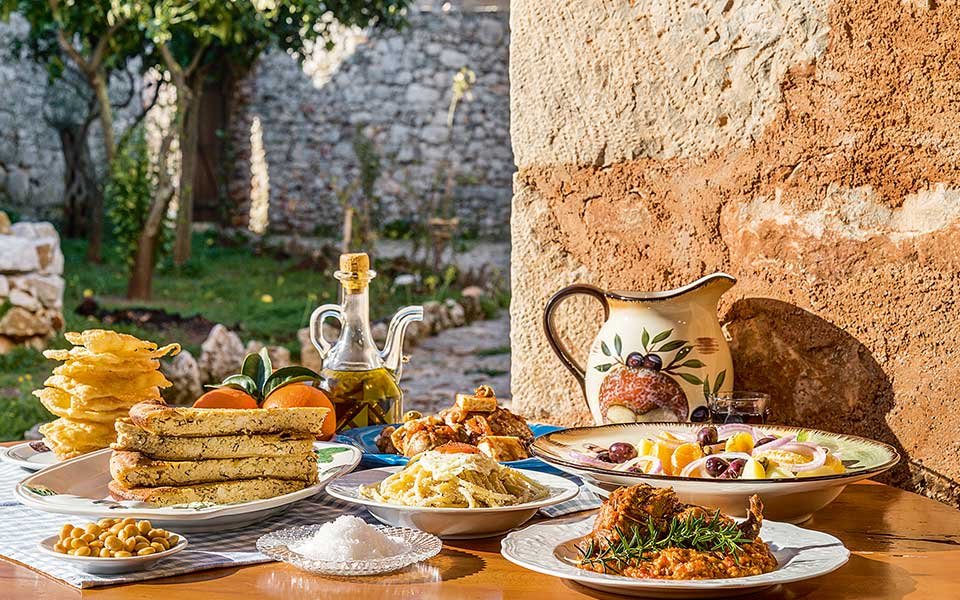
Picture this: It’s a balmy evening in a tucked-away taverna on the cliffs of Santorini, the Aegean Sea whispering below as the sun dips into a blaze of orange. I’m sitting with a group of locals—old friends from my college study abroad days—who’ve dragged me away from the tourist traps for “real” Greek food. No frills, just wooden tables scarred from years of feasts, and the air thick with the sizzle of lamb on charcoal. They pass me a skewer of souvlaki, dripping with lemon and oregano, and I take that first bite. It’s not just meat; it’s memory, history, and that inexplicable joy of flavors that make you feel alive. That night, over endless plates of tzatziki, fresh feta, and honey-drenched baklava, I fell head over heels for Greek cuisine. If you’ve ever wondered what makes these dishes more than just “healthy eats,” you’re in for a treat. Greek food isn’t a diet—it’s a lifestyle, a hug from the Mediterranean that lingers long after the last bite.
In this deep dive, we’ll explore the popular types of Greek cuisine, from street-side staples to family-secret stews. Drawing from my own mishaps in the kitchen (yes, I’ve burned more spanakopita than I care to admit) and chats with yiayias across the islands, I’ll break it down with stories, tips, and enough mouthwatering details to have you booking a flight—or firing up your grill. We’ll cover everything from ancient roots to modern twists, ensuring you walk away not just informed, but inspired to plate up your own Greek feast. Ready to let the olive oil flow? Let’s dig in.
The Roots of Greek Cuisine: A Brief History
Greek cuisine isn’t some trendy fad; it’s a 4,000-year-old tapestry woven from the land’s bounty and the hands of conquerors, traders, and everyday folks just trying to make a meal sing. Born in the shadow of Mount Olympus, it started with the Minoans around 2700 B.C., who tamed wild olives into golden oil and pressed grapes into wine that fueled philosophers and poets alike. Fast-forward through Roman occupations, Byzantine spice routes, and Ottoman rule, and you’ve got a fusion that’s equal parts frugal peasant fare and imperial indulgence. What ties it all together? Simplicity—fresh ingredients, seasonal rhythms, and that unshakeable belief that good food is shared with good company.
This history isn’t dusty; it’s alive in every bite. I once spent a rainy afternoon in Thessaloniki with a historian uncle of a friend, poring over faded recipes from the Byzantine era. He laughed as he explained how caviar snuck in via trade ships, turning humble fish soups into something regal. It’s these layers that make Greek food feel timeless, like chatting with ancestors over a glass of retsina.
Ancient Influences on Modern Plates
The ancients kept it simple: the “Mediterranean triad” of wheat, olives, and wine formed the backbone, with fish and legumes rounding out the plate for most. Meat was a luxury, saved for festivals where they’d roast kid goat over open fires—echoes of which you still taste in today’s kleftiko. Herbs like wild thyme and oregano weren’t just flavor; they were medicine, warding off ills in a world without pharmacies. Archestratos, that cheeky poet from 320 B.C., even penned the world’s first cookbook, ranting against overcomplicated Roman dishes. “Eat fish fresh from the sea,” he’d say—advice that’s spot-on for dodging that tourist-trap swordfish.
Diving into this era feels like time travel. During my first solo hike on Crete, I stumbled on a Minoan ruin and imagined them grinding barley under the same relentless sun. It hit me: Greek cuisine’s genius is its restraint, letting the island’s wild greens and sea salt do the heavy lifting.
Byzantine and Ottoman Legacies
When Constantinople buzzed as the spice crossroads in the 4th century A.D., new players like nutmeg and basil crashed the party, elevating Byzantine tables to cosmopolitan heights. Then came the Ottomans in the 15th century, sprinkling cinnamon into sweets and yogurt into everything—hello, baklava’s flaky ancestors. These influences didn’t overwrite; they layered on, like phyllo dough itself. Suddenly, stuffed vine leaves (dolmades) got a Turkish twist, but with Greek dill for that fresh kick.
I chuckle thinking of my failed attempt at Ottoman-inspired pilaf during a family gathering—too much cumin, not enough love. But chatting with a Smyrna-born grandma in Athens, she shared how these blends saved recipes during hard times, turning scarcity into savoriness. It’s why Greek food feels so welcoming: a bridge between East and West, served with a side of hospitality.
Core Ingredients That Make Greek Food Sing
At its heart, Greek cuisine is a love letter to the earth—think sun-ripened tomatoes bursting with juice, feta crumbling like salty snow, and olive oil so pure it coats your tongue like liquid gold. These aren’t just add-ons; they’re the rhythm section, holding dishes together with unpretentious grace. Herbs like oregano and mint? They’re the melody, wild-picked and punchy. And don’t get me started on yogurt—thick, tangy, and versatile enough to dip or dollop.
What I adore most is how these staples adapt. In my tiny New York kitchen, I’ve swapped fancy imports for farmers’ market finds, proving you don’t need a Greek passport to capture that essence. It’s democratizing, isn’t it? Anyone can whip up a drizzle of oil and feel a bit immortal.
To break it down, here’s a quick table of must-know ingredients and their roles—your cheat sheet for that next grocery run.
| Ingredient | Why It’s Essential | Pro Tip for Home Cooks |
|---|---|---|
| Olive Oil | The all-purpose elixir; drizzled, sautéed, or raw for health boosts. | Extra virgin only—taste it neat first. |
| Feta Cheese | Salty, creamy tang that elevates salads and pies. | Crumble by hand; pair with honey for dessert. |
| Greek Yogurt | Thick base for dips, marinades, and sweets. | Strain plain yogurt overnight for authenticity. |
| Oregano & Dill | Earthy, fresh herbs defining grilled meats and veggies. | Dry your own summer harvest for year-round zing. |
| Lemons | Bright acid cutting through richness. | Zest ’em too—the oils amp up flavors tenfold. |
These gems aren’t flashy, but oh, the stories they tell. Remember that time I over-squeezed a lemon into my tzatziki? Sour disaster turned comedy gold—and a lesson in balance.
Meze and Appetizers: The Social Starters
Meze isn’t a course; it’s a philosophy—small plates meant for lingering, laughing, and letting conversations unfold like phyllo layers. Picture a table groaning under dips, stuffed bites, and fried delights, all washed down with ouzo that turns milky with each pour. It’s the Greek way of saying, “Slow down, savor this.” From bustling Athens markets to quiet island homes, meze turns strangers into friends faster than you can say “opá!”
I’ve hosted my share of meze nights, fumbling skewers and giggling over garlicky mishaps. They’re forgiving, fun, and foolproof for feeding a crowd without the stress of a sit-down dinner.
Tzatziki: The Cool Cucumber Dip
Tzatziki is that reliable sidekick—creamy, garlicky, with cucumber crunch that cools the spice of whatever follows. Grate the cukes, squeeze out the water like you’re wringing out a bad day, then fold in strained yogurt, minced garlic, dill, and a splash of olive oil. It’s ready in 10 minutes but tastes like summer on a plate.
One sweltering afternoon in Plaka, I devoured a bowl with warm pita, sweat beading as the coolness hit. Pure bliss—and a reminder that sometimes, the simplest fixes fix everything.
Spanakopita and Savory Pies
Spanakopita, with its spinach-feta swirl wrapped in buttery phyllo, is handheld heaven—crisp outside, gooey within. Regional twists abound: Crete’s kalitsounia add wild greens, while Macedonia’s go meaty. Brush with egg wash for that golden crunch, and bake till it sings.
My first batch? A phyllo fiasco—torn sheets everywhere. But sharing the “ugly” ones with neighbors? Instant bonds. Pies like these aren’t perfect; they’re personal.
Hearty Mains: From Grill to Stew
Greek mains are where comfort meets crave—grilled skewers hissing over coals, layered casseroles bubbling with béchamel, or stews simmered low till tender. They’re built for sharing, often with a side of potatoes roasted till caramelized. Lamb rules the roost, but pork and fish hold court too, all kissed by lemon and herbs.
These dishes saved many a homesick evening for me abroad. Nothing beats the smell of garlic-lamb wafting through your window—it’s home, bottled.
Souvlaki and Gyros: Street Food Kings
Souvlaki—pork or chicken chunks marinated in yogurt and grilled to juicy perfection—is Greece’s answer to fast food done right. Wrap in pita with tomatoes, onions, and tzatziki for the full effect. Gyros, that shaved pork swirl, amps the drama with rotisserie flair.
In a dodgy Athens alley once, I haggled for souvlaki at midnight—best decision ever. Crispy edges, tender inside; it’s why diets dread Greece.
Moussaka and Pastitsio: Layered Comfort
Moussaka stacks eggplant, zucchini, and spiced ground meat under a velvety béchamel—baked till bubbly. Pastitsio swaps veggies for pasta tubes in a cinnamon-kissed ragu. Both scream family dinner.
Burning the top on my moussaka attempt? Rookie move. But nailing the béchamel? Chef’s kiss—and a story for the grandkids.
Seafood Specialties: Ocean’s Bounty
From grilled octopus drizzled with oil to fried calamari rings, seafood shines in coastal spots. Saganaki, flambéed cheese with shrimp, adds theatrical flair. Freshness is key—sniff before you buy.
Dining on Santorini’s black-sand beach, octopus so tender it melted? Magic. It’s a salty reminder of Greece’s seafaring soul.
Salads and Sides: Fresh and Vibrant
Greek sides aren’t afterthoughts; they’re stars—crisp, colorful, and bursting with the garden’s gifts. Think roasted potatoes slick with lemon-oregano, or gigantes beans baked slow in tomato sauce. They’re the glue, balancing richness with zing.
In my herb garden fails, I’ve learned: Fresh rules. A simple side can steal the show—humble heroes, every one.
Horiatiki Salad: The Village Classic
Horiatiki skips lettuce for chunks of tomato, cucumber, onion, olives, and a feta slab—dressed lightly, no fuss. It’s rustic rebellion against fussy greens.
Sharing one in a Cretan village, the feta’s brine mixing with sea air? Perfection. It’s salad as poetry—raw, real, radiant.
Sweet Endings: Greek Desserts to Savor
Greek sweets are sneaky seducers—nutty, syrupy, and not too cloying, often laced with honey or citrus. They’re for celebrations, but honestly, any Tuesday qualifies. From fried dough balls to semolina cakes, they wrap meals in warmth.
My sweet tooth led to a loukoumades binge in Thessaloniki—sticky fingers, zero regrets. Desserts here? They’re joy, drizzled.
Baklava: Nutty, Flaky Indulgence
Baklava layers walnuts or pistachios between phyllo, baked and bathed in honey syrup—crunchy, chewy bliss. Ottoman roots, Greek finesse.
Phyllo tears and all, my version’s a hit at potlucks. It’s messy love in pastry form.
Loukoumades: Honey-Drizzled Dough Balls
Crispy fritters soaked in honey and sesame—warm pillows of delight. Street vendors flip ’em fresh.
Post-hike in the Peloponnese, they were my reward—sweet salvation after sore legs.
Regional Twists on Classic Dishes
Greece’s patchwork of islands and mountains means cuisine varies wildly—northern stews pack heat, while Aegean isles go light and briny. Crete’s wild greens star in dakos (barley rusk salad), Macedonia twists pies with leeks, and the Ionian nods to Italy with pastas. It’s not one Greece; it’s many, each forkful a local love letter.
Hopping regions feels like sampling siblings—same DNA, different vibes. In Epirus, I tried frog legs in lemon sauce; weird? Wildly good.
For a snapshot, check this comparison:
| Region | Signature Twist | Why It Works | Pro/Con Example |
|---|---|---|---|
| Crete | Wild greens in stews (horta) | Earthy, nutrient-packed | Pro: Super healthy; Con: Forage hunt needed |
| Northern Greece | Spicy sausages (loukániko) | Warming for winters | Pro: Bold flavors; Con: Heat level varies |
| Cyclades | Seafood pies (kalitsounia) | Fresh catch meets flaky crust | Pro: Island-fresh; Con: Shellfish allergies |
| Peloponnese | Stuffed veggies (gemista) | Veggie-forward, rice-herb filling | Pro: Vegetarian win; Con: Time-intensive |
These variations keep things exciting—like discovering a hidden track on your favorite album.
Pairing Greek Food with Wine and Ouzo
No Greek meal’s complete without libations—crisp Assyrtiko whites for seafood, robust Xinomavro reds for lamb. Ouzo, anise-laced and cloudy with water, cuts through meze like a charm. Retsina’s piney tang? An acquired taste, but oh, the stories it sparks.
My ouzo-fueled dance in a Corfu taverna? Legendary. Pair smart: Light sips for light bites, bold pours for bold mains.
Pros of Greek wines:
- Affordable gems from ancient vines.
- Perfect food synergy—acidity matches the lemon love.
- Sustainable, small-batch vibes.
Cons:
- Limited global availability.
- Some (hello, retsina) polarize palates.
Where to Experience Authentic Greek Cuisine
Craving the real deal? Skip chains for tavernas like Athens’ To Kati Allo, where yiayia recipes rule. In the U.S., hit NYC’s Avra Estiatorio for imported feta flown weekly. For home cooks, tools like a good cast-iron grill pan (under $30 on Amazon) and a mezzaluna for herbs make replication easy—transactional tip: Start with a souvlaki kit from Etsy for $20.
Navigating spots? Apps like TheFork book tables; for recipes, check Serious Eats’ Greek section. My go-to: Island-hopping via ferry, plate in hand.
People Also Ask
Based on common searches, here’s what folks often wonder about popular types of Greek cuisine—straight answers, no fluff.
What are the most popular Greek dishes?
Souvlaki, moussaka, tzatziki, and horiatiki top the list—street eats to layered bakes, they’re accessible icons. Everyone’s got a favorite; mine’s the grilled skewer every time.
What makes Greek cuisine unique?
It’s the fresh, seasonal punch—olive oil, yogurt, and herbs in harmony, with a history of fusion from Byzantine to now. Light yet satisfying, it’s the OG Mediterranean diet.
Is Greek food healthy?
Absolutely—veggie-heavy, olive oil-rich, and portion-smart, it’s linked to longevity. But that baklava? Balance it with a hike.
How does Greek cuisine differ from other Mediterranean foods?
More emphasis on phyllo pies and yogurt dips, less pasta than Italian; it’s herb-forward with a seafaring twist.
FAQ
What is the staple ingredient in Greek cuisine?
Olive oil reigns supreme—used in 90% of dishes for cooking, dressing, and dipping. It’s the liquid soul of the meal. Pro tip: Drizzle generously, but start with quality.
How can I make authentic tzatziki at home?
Grate one cucumber, salt and drain 30 minutes, mix with 1 cup Greek yogurt, 2 minced garlic cloves, dill, lemon juice, and olive oil. Chill an hour. Tools? A box grater and muslin cloth for straining—under $15 total.
What are the best Greek wines for beginners?
Try Assyrtiko (crisp, citrusy white) or Agiorgitiko (juicy red)—both under $20. Pair Assyrtiko with seafood, the red with grilled meats. Shop Wine.com for deals.
Is moussaka vegetarian-friendly?
Traditional no (ground meat layer), but sub lentils or mushrooms for a hearty veggie version. Bake time stays the same—45 minutes at 350°F.
Where can I find Greek cooking classes online?
Platforms like MasterClass or free YouTube channels (e.g., Akis Petretzikis) offer step-by-steps. For gear, a Greek cookbook like Diane Kochilas’ “Ikaria” is gold—$25 on Amazon.
Whew, what a feast of words! From that first souvlaki skewer to the last honeyed crumb, Greek cuisine’s pull is magnetic—simple, soulful, and endlessly inviting. Whether you’re grilling in your backyard or dreaming of island tavernas, let these flavors transport you. What’s your must-try next? Drop a comment; I’d love to swap stories. Kali orexi—happy eating!