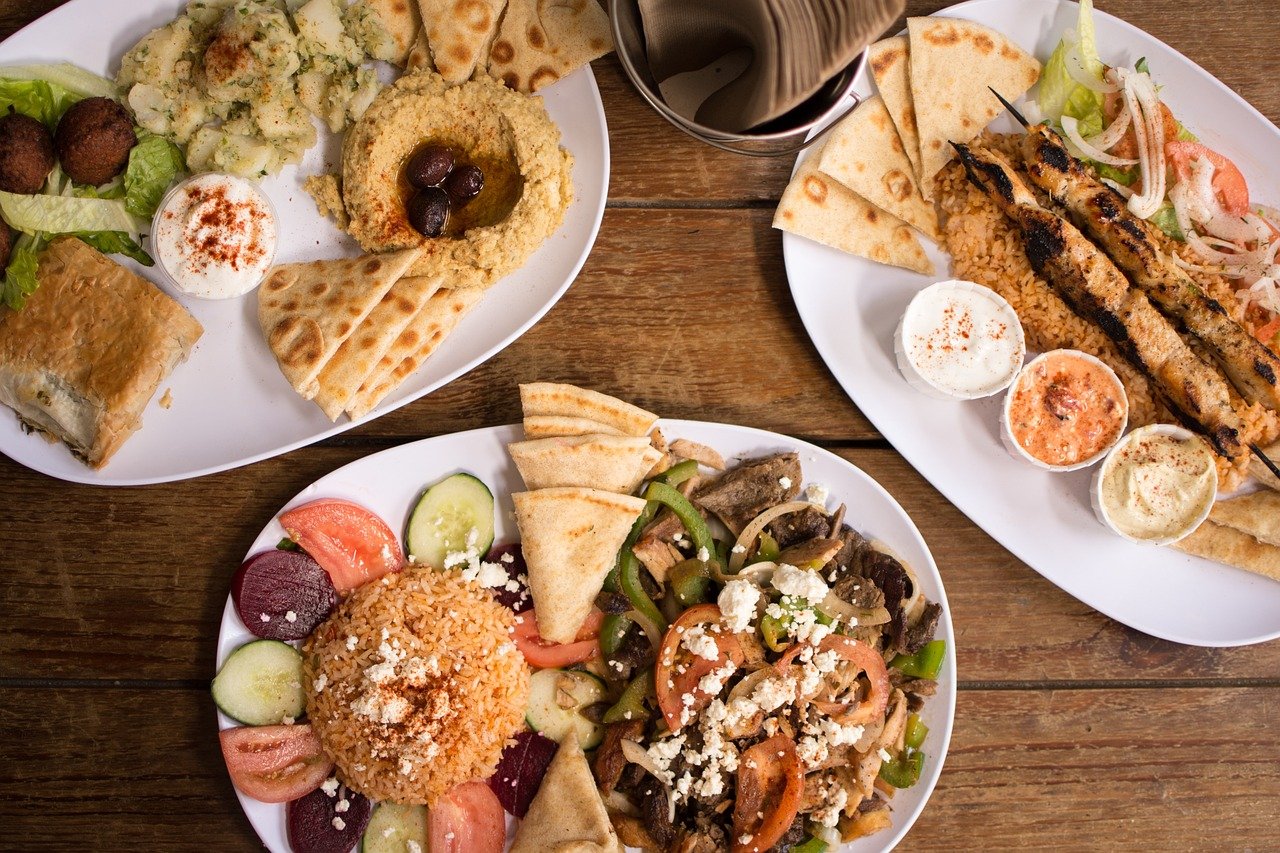
Picture this: It’s my first solo trip to Santorini, sun dipping into the Aegean like a lazy olive in oil, and I’m at a cliffside taverna staring at a menu that might as well be ancient hieroglyphs. “Assyrtiko? Zalatina? What in the world is happening here?” I mutter to the waiter, who just chuckles and pours me a glass of something crisp and volcanic. That night, over grilled octopus and a pile of meze that kept arriving like uninvited but welcome cousins at a family reunion, I fell hard for Greek food. But decoding the terms? That was my real adventure. If you’ve ever felt lost in a gyro haze or puzzled by phyllo, this guide is your cheat sheet – a no-nonsense stroll from A to Z through the lexicon of Hellenic eats. We’ll unpack the stars like feta’s salty tang and baklava’s sticky seduction, with tips on where to hunt them down and why they’ll ruin you for bland buffets forever. Grab a fork; we’re diving in.
A: From Assyrtiko’s Crisp Kick to Avgolemono’s Tangy Embrace
The letter A kicks off our Greek feast with whites, veggies, and that eggy wonder that ties it all together. These terms whisper of island breezes and family suppers, where simple ingredients bloom into something soul-stirring. Think of A as the appetizer to Greece’s endless table – fresh, zingy, and begging for a second bite.
Assyrtiko: The Volcanic White That Steals the Show
Assyrtiko, pronounced ah-seer-TEE-koh, is no mere grape; it’s Santorini’s liquid sunshine, born from ancient vines clinging to black lava soil like stubborn lovers. This white wine bursts with green apple snap and a minerally finish that evokes sucking on a seaside pebble – perfect paired with seafood or just sipped solo at sunset. I once traded a whole afternoon for a bottle during a hike; the acidity cut through the heat like a cool myth. Hunt it at spots like Santo Wines or your local wine shop – around $20 for a taste of eternity.
Anari: The Fresh Cheese That Keeps It Light
Anari, ah-NAH-ree, is Cyprus and Crete’s answer to ricotta – a soft, whey-based cheese that’s mild as a morning fog, often sprinkled with honey for breakfast or tucked into pies. Made from sheep or goat milk leftovers, it’s the unsung hero of low-fat feasts, packing protein without the heft. Last summer in Chania, I smeared it on warm bread with wild thyme; pure bliss, no guilt. Pros: Versatile for sweet-savory swaps; cons: Short shelf life means devouring it fresh. Find it in Greek delis or make your own with a quick boil of curds.
Avgolemono: Egg-Lemon Magic in a Bowl
Avgolemono, av-goh-LEH-moh-noh, is the sauce that dreams are made of – eggs whisked with lemon juice and broth into a velvety cloud, thickening soups or drizzling over lamb like a sunny hug. It’s the backbone of chicken soup revivals, adding creamy zing without cream. My yiayia (that’s grandma for the uninitiated) swore by it for colds; one sip, and you’re plotting world peace. Compare it to Italian zabaglione (sweeter, boozier) – avgolemono wins for everyday elegance. Whip it up at home with this easy recipe.
B: Baklava’s Layers and Bamies’ Sticky Charm
B brings the drama – flaky pastries that shatter into sweetness and veggies that hug sauce like old friends. These bites capture Greece’s love for bold contrasts: crunch versus melt, spice versus soothe. It’s the letter where meals turn into memories, sticky-fingered and satisfied.
Baklava: Honeyed Layers of Pure Temptation
Baklava, bah-KLAH-vah, stacks phyllo sheets with nuts and drenches them in syrup – a phyllo frenzy that’s equal parts crunch and ooze, often laced with cinnamon for that warm-spice whisper. Born from Ottoman roots but Greek-ified with island honey, it’s wedding fodder and midnight munchies. I once demolished a tray in Athens’ Plaka; my arteries sang opera. Pros: Endless variations (pistachio vs. walnut); cons: Calorie bomb if portion control fails. Score it at Greek bakeries or layer your own for under $10.
Bamies: Okra’s Underrated Stew Star
Bamies, BAH-mee-es, are okra pods that simmer into a tomato-olive oil embrace, their sliminess tamed into silky goodness – a ladera classic (oil-based veggie dish) that’s humble yet hypnotic. From Peloponnese fields, they’re packed with fiber for gut love. During a rainy hike in Nafplio, a bowl warmed me like a forgotten hug. Table it against Southern gumbo okra: Greek’s lighter, lemon-brighter. Source fresh at farmers’ markets or sub frozen for quick stews.
Bougatsa: Custard-Filled Phyllo Surprise
Bougatsa, boo-GHA-tsah, hides semolina custard in crisp phyllo, dusted with powdered sugar and cinnamon – a Thessaloniki breakfast bomb that’s sweet sin in pastry form. Savory spins with cheese or mince keep it versatile. I scarfed one post-ferry; it was my “I made it” trophy. Pros: Portable joy; cons: Best hot, soggy when not. Grab at Bouloukaki or bake from scratch for brunch bragging rights.
C: Chickpeas to Calamari – Hearty and Sea-Salty
C dives into legumes and ocean gems, where earth meets wave in bowls that feed the soul. These terms evoke coastal tavernas, where the sea’s bounty dances with garden greens. It’s the comfort core of Greek eating – filling, flavorful, and forever forgiving.
Chickpeas (Revithia): The Pulse of Peasant Power
Revithia, reh-VEE-thee-ah, are chickpeas slow-simmered with onions and olive oil into a creamy soup that’s Crete’s Sunday staple – nutty, earthy, and absurdly nourishing. Toss in bay leaves for depth; it’s vegan gold. A foggy morning in Rethymno, and this was my fog-lifter. Pros: Cheap protein punch; cons: Gas if not soaked right. Compare to hummus base: revithia soup’s heartier. Stock up via Amazon Greek imports.
Calamari (Kalamarakia): Rings of Fried Perfection
Kalamarakia, kah-lah-mah-RAH-kya, are squid rings battered and fried to golden crunch, often spritzed with lemon – a meze must that screams Aegean summers. Fresh from the strait, they’re tender if not overcooked. My first in Mykonos? Life-altering crunch. Pros: Kid-friendly fun; cons: Tough if reheated. Versus Italian calamari: Greek’s simpler, sea-salter. Hunt at fish markets or air-fry for lighter larks.
| Term | Key Ingredient | Best Pairing | Origin Vibe |
|---|---|---|---|
| Revithia | Chickpeas | Lemon, bread | Cretan hearth |
| Kalamarakia | Squid | Ouzo, tzatziki | Island taverna |
D: Dolmades’ Wrapped Wonders and Diples’ Fried Delight
D wraps up greens and dunks dough in honey – think portable poetry and festive fries. These dishes nod to resourcefulness, turning leaves and batter into treasures. It’s the DIY spirit of Greece, where every bite tells a harvest tale.
Dolmades: Vine Leaves’ Ricey Hug
Dolmades, dohl-MAH-thes, stuff grape leaves with herbed rice (or mince) and steam to tender perfection – a cold meze that’s briny, bright, and bite-sized bliss. Lemon and dill seal the deal. Rolled them with a Cretan auntie once; her stories were the real filling. Pros: Make-ahead magic; cons: Fiddly wrapping. Link to Dolmades tutorial. Versus Turkish sarma: Greek’s rice-heavier.
Diples: Honey-Dipped Dough Dreams
Diples, DEE-ples, are thin dough strips fried crisp then soaked in honey and walnuts – a Christmas whirl that’s crunchy-sweet chaos. From Peloponnese holidays, they’re festive finger food. One bite at a winter fair, and I was hooked like a kid in candy land. Pros: Quick fry; cons: Sticky mess. Pros/cons list: Pro – shareable; con – addictive. Whip up via family recipes online.
E: Eggplants to Eliopita – Purple and Pitted
E paints with purple and olive flecks, from smoky dips to savory pies. These entries highlight Greece’s veggie devotion, where olive oil is the brushstroke. It’s earthy elegance, turning fields into feasts.
Eggplant (Melitzanes): Smoky Star of the Med
Melitzanes, meh-leet-ZAH-nes, are eggplants roasted to char then mashed with garlic for melitzanosalata – a dip smokier than a bonfire tale. Grilled or stewed, they’re moussaka’s MVP. Charred one over open flame in Delphi; gods approved. Pros: Low-cal volume; cons: Bitter if old. Compare to baba ganoush: Greek skips tahini for purer smoke.
Eliopita: Olive’s Pie Proclamation
Eliopita, eh-lee-OH-pee-tah, bakes Kalamata olives into phyllo with onions and herbs – a Lesbos pie that’s briny-buttery heaven. Savory snack supreme. Shared a slab at a harbor cafe; conversations flowed like the wine. Pros: Vegan delight; cons: Olive overload for purists. Find recipes at Greek food sites.
F: Fava’s Golden Dip to Feta’s Crumbly Crown
F flows with yellow purees and white wheels, the cheeses and pulses that anchor plates. These are the everyday anchors, reliable as the Mediterranean sun. Humor alert: F for “finally, something I can pronounce without spitting.”
Fava: Split Pea’s Sunny Spread
Fava, FAH-vah, blends yellow split peas into a lemony dip, topped with capers – Santorini’s humble hummus twin, minus chickpeas. Silky and satisfying. Dipped pita in it post-swim; refueled like a hero. Pros: Budget beauty; cons: Not true fava beans (confusing!). Table vs. hummus: Fava’s earthier, pea-powered.
Feta: Greece’s Salty Soulmate
Feta, FEH-tah, crumbles from sheep-goat milk barrels – tangy, brined, and salad’s BFF. PDO-protected, it’s no impostor. Sprinkled it on horiatiki in Oia; views paled. Pros: Pairs with everything; cons: High sodium sneak. Where to get: Authentic at Greek markets.
| Feta vs. Goat Cheese | Flavor Profile | Texture | Best Use |
|---|---|---|---|
| Feta | Tangy, briny | Crumbly | Salads, pies |
| Goat | Earthy, tart | Creamy | Spreads, chevres |
G: Garides’ Shrimp Shuffle to Gyros’ Street Spin
G grills shrimp and spins meat on spits – seaside sizzles meet urban hustle. These terms pulse with Greece’s street-food heartbeat, where ouzo chasers make magic. It’s the gregarious side of the table.
Garides: Shrimp’s Garlicky Dance
Garides, gah-REE-thes, sauté shrimp in tomato-garlic sauce – saganaki-style fireworks. Fresh from the gulf. Gulped them in Corfu; spicy romance. Pros: Quick cook; cons: Shell hassle. Navigational tip: Coastal tavernas like Taverna Spiros.
Gyros: Rotisserie’s Pita Party
Gyros, YEE-rohs, shaves pork or chicken from vertical spits into pita pockets with tzatziki – fast food, Greek edition. Souvlaki’s taller cousin. Devoured post-hike in Athens; legs wobbled happily. Pros: Portable; cons: Messy eat. Best tools: Gyro kits from Amazon for home heroes.
H: Horta’s Green Glow to Horiatiki’s Fresh Crunch
H harvests wild greens and chops village salads – nature’s confetti on a plate. These are the health halo of Greek eats, light as a feta flake. Personal note: H for “healing,” after one too many late-night loukoumades.
Horta: Boiled Greens’ Bitter Bliss
Horta, HOR-tah, wilts wild greens then dresses with olive oil-lemon – dandelion or spinach, bitter and bold. Foraged forage. Foraged some in the Pelion hills; tasted like freedom. Pros: Detox dream; cons: Acquired taste. Grow your own or buy at organic spots.
Horiatiki: The True Greek Salad
Horiatiki, hoh-ree-ah-TEE-kee, tosses tomatoes, cukes, olives, and feta – no lettuce, all village vibe. Oregano dusts the top. Assembled one on a balcony; neighbors joined. Pros: No-fuss fresh; cons: Seasonal hunt. Transactional: Farmers’ markets for peak produce.
I: Ipeftos to Irokafteri – Spicy and Slow
I simmers slow and spices fierce, lesser-known gems that ignite palates. These are the insider picks, for when you want to impress at dinner parties. It’s intimate, like sharing secrets over raki.
Ipeftos: Slow-Cooked Lamb’s Tender Tale
Ipeftos, ee-PEF-tohs, slow-roasts lamb with herbs till it falls apart – Easter’s quiet star. Juicy, aromatic. Slow-cooked it for friends; bonds sealed. Pros: Set-it-forget-it; cons: Time thief. Recipe at traditional sites.
Irokafteri: Fiery Feta Whip
Irokafteri, ee-roh-KAHF-teh-ree, blends feta with roasted peppers and chili – a dip that bites back. Meze heat. Spiced up a picnic; laughs ensued. Pros: Kick without kill; cons: Heat level varies. Blend your own for custom fire.
J: Limited Jewels Like Yiayia’s Jam
J is sparse in Greek lexicons, but spoon sweets shine – fruit preserves poached in syrup. These are hospitality’s handshake, sweet as stolen kisses. Rare but rewarding, like finding a quiet beach.
Yiayia’s Glyko Koutaliou: Spoon Sweet Surprise
Glyko koutaliou, ylee-KOH koo-tah-lee-OO, poaches whole fruits in syrup for spoon-served treats – cherry or fig, guest-gifted. Nostalgic nectar. Yiayia jarred them; tasted like hugs. Pros: Long-lasting love; cons: Sugar surge. Make at home with fruit preserves guide.
K: Keftedes’ Meatball Mayhem to Kourabiedes’ Butter Bliss
K kneads meatballs and bakes butter bombs – from savory spheres to holiday dustings. This letter’s a kitchen party, where aromas lure neighbors. It’s kinetic, fingers in dough and hearts in flavor.
Keftedes: Herbed Meatball Frenzy
Keftedes, keh-FTEH-thes, fry spiced pork-beef balls with mint and oregano – meze or main magic. Juicy pops. Fried a batch in Ioannina; feast followed. Pros: Freezer-friendly; cons: Frying splatter. Vs. Italian polpette: Greek’s herb-heavier.
Kourabiedes: Christmas Snowballs
Kourabiedes, koo-rah-bee-eh-THEHS, are almond butter cookies powdered to snowy puffs – holiday melt. Festive fragility. Baked for yule; house smelled divine. Pros: Giftable grace; cons: Crumb chaos. Source almonds at bulk stores.
| Keftedes Pros & Cons | Details |
|---|---|
| Pros | Flavor-packed, versatile sides |
| Cons | Calorie-dense, oil absorb |
L: Loukoumades’ Doughnut Drizzle to Lathera Love
L loops in fried sweets and oil-stewed veggies – sticky joys and slow simmers. These evoke lazy lunches, where olive oil is the quiet conductor. Light-hearted letter for heavy appetites.
Loukoumades: Honey-Dunked Dough Balls
Loukoumades, loo-koo-MAH-thes, fry yeast dough into bite-sized orbs, drowned in honey and sesame – street sweet supreme. Olympic origins, modern addiction. Dipped in Plaka; sticky grins all around. Pros: Vegan base; cons: Fry fatigue. Find at festivals or home fry kits.
Lathera: Olive Oil’s Veggie Symphony
Lathera, lah-THEH-rah, stews veggies in olive oil – green beans or artichokes, slow and lush. Plant-powered poetry. Simmered fasolakia in summer; garden in a pot. Pros: Healthy fats; cons: Oil watch. Navigational: Village agoras for fresh picks.
M: Moussaka’s Layered Legacy to Meze Magic
M stacks casseroles and plates small wonders – hearty bakes meet nibble feasts. This is Greece’s social glue, where meals stretch into stories. My favorite: M for “more, please.”
Moussaka: Eggplant’s Bechamel Blanket
Moussaka, moo-sah-KAH, layers eggplant, mince, and potatoes under béchamel – baked comfort king. Ottoman echo, Greek glow. Layered one for a crowd; seconds demanded. Pros: Make-ahead; cons: Heavy hitter. Recipe via Olive Tomato.
Meze: Small Plates’ Endless Parade
Meze, MEH-zeh, are tapas-like tidbits – dips, olives, grilled bits with drinks. Sharing ritual. Meze-hopped in Rhodes; night blurred beautifully. Pros: Variety voyage; cons: Over-order risk. Best at ouzeris.
N: Nistisimo’s Fast Feasts to Nero Basics
N nods to fasting foods and simple waters – Lenten lights and hydration heroes. These keep the faith flavorful, proving restraint can taste rebellious. N for “nourish without noise.”
Nistisimo: Vegan Fast Faves
Nistisimo, nee-STEE-see-moh, crafts meat-free meals for Orthodox fasts – bean stews or stuffed peppers. Clever, colorful. Fasted with friends in Patmos; enlightened eats. Pros: Plant reset; cons: Creativity curve. Ideas at Lenten guides.
Nero: Water’s Pure Pour
Nero, NEH-roh, is just water, but in Greece, it’s spring-sourced sparkle for every sip. Life’s base note. Gulped from a mountain fountain; refreshed reset. Pros: Free essential; cons: None, really. Transactional: Bottled Greek brands online.
O: Octopus’ Grilled Grace to Ouzo’s Anise Kiss
O tentacles and toasts with spirits – sea char and licorice lift. These are the ooh-and-aah moments, where fire meets fizz. Offbeat but oh-so-addictive.
Htapodi: Octopus’ Charred Charm
Htapodi, htah-POH-thee, grills tender octopus legs with oil and oregano – chewy-chef’s kiss. Island icon. Grilled in Hydra; ink-blackened delight. Pros: Protein powerhouse; cons: Prep patience. Where: Seaside psarotavernas.
Ouzo: Anise’s Milky Mystery
Ouzo, OO-zoh, distills grapes with anise, clouding milky when watered – aperitif alchemy. Meze muse. Sipped in Lesvos; world softened. Pros: Digestif dynamo; cons: Licorice love-or-hate. Buy at duty-free.
P: Pastitsio’s Pasta Pile to Pita’s Pocket Power
P pastas and breads the bake – tubular towers and wrap wonders. These are the carb confessions, sustaining hikes and heart-to-hearts. P for “please pass the plate.”
Pastitsio: Greek Lasagna’s Béchamel Buddy
Pastitsio, pah-STEET-see-oh, stacks macaroni, meat sauce, and custard – oven-hugged hug. Family favorite. Baked for birthdays; cheers erupted. Pros: Crowd-pleaser; cons: Dishwasher duty. Guide: Classic recipes.
Pita: Flatbread’s Versatile Vault
Pita, PEE-tah, puffs soft for gyro wraps or pies – wheat’s workhorse. Daily driver. Stuffed in Crete; adventure in edible form. Pros: Stuffable; cons: Stales fast. Best tools: Grill presses for home char.
Q: Quiet Queens Like Quince Spoon Sweets
Q quiets with rare fruits poached sweet – quince’s floral fade. Quirky corner, but quince’s glow-up is quiet magic. Q for “quietly obsessed.”
Kydoni Glyko: Quince’s Syrupy Song
Kydoni glyko, kee-DOH-nee ylee-KOH, simmers quince to ruby preserves – tart-to-sweet shift. Autumn’s jewel. Spooned in fall; cozy close. Pros: Antioxidant ace; cons: Peeling chore. Preserve via fruit tutorials.
R: Revithokeftedes’ Chickpea Cakes to Rizogalo’s Rice Pudding
R rolls fritters and puddles creamy rice – street snacks to nursery nosh. These riff on rice and pulses, humble heroes risen. R for “rustic refinement.”
Revithokeftedes: Chickpea Fritter Fireworks
Revithokeftedes, reh-vee-thoh-KEHF-teh-thes, mash chickpeas into herbed patties, fried crisp – vegan nuggets. Cyclades crunch. Fried in Paros; beach picnic pro. Pros: Gluten-free; cons: Fry oil. Vs. falafel: Greek’s onion-o regano’d.
Rizogalo: Milky Rice’s Cinnamon Crown
Rizogalo, ree-zoh-GAH-loh, simmers rice in milk with sugar – spoonable serenity, dusted cinnamon. Kid classic. Stirred for nieces; giggles galore. Pros: Soothing sleep aid; cons: Stir vigil. Recipe: Home comforts.
S: Saganaki’s Sizzle to Souvlaki’s Skewer Supreme
S sizzles cheese and skewers meat – flame-kissed favorites that spark tables. This letter’s the showstopper, where fire flavors everything. S for “sizzling stories.”
Saganaki: Cheese’s Fiery Flambe
Saganaki, sah-gah-NAH-kee, fries kefalotyri to bubbly gold, flamed with brandy – opa! moment. Tavern theatrics. Flambéed in Halkidiki; table roared. Pros: Spectacle; cons: Flame fear. Pair with ouzo.
Souvlaki: Pork’s Portable Party
Souvlaki, soov-LAH-kee, grills marinated pork on sticks, pita-wrapped with veggies – street soul food. Everyday epic. Skewered in Monemvasia; fuel for forts. Pros: Quick grill; cons: Over-marinate mush. Best at roadside souvlaki stands.
| Saganaki vs. Souvlaki | Heat Level | Portability | Crowd Factor |
|---|---|---|---|
| Saganaki | High sizzle | Low | High drama |
| Souvlaki | Medium grill | High | Street staple |
T: Taramosalata’s Roe Ripple to Tzatziki’s Cool Cucumber
T dips roe and chills yogurt – briny spreads to refreshing dips. These are the table’s cool cats, balancing heat with chill. T for “tangy tranquility.”
Taramosalata: Fish Roe’s Creamy Canvas
Taramosalata, tah-rah-moh-sah-LAH-tah, whips cod roe with bread and oil – pink-hued, salty silk. Lenten luxury. Spread on paximadi; sea in every bite. Pros: Omega boost; cons: Fishy for some. Blend with traditional tools.
Tzatziki: Yogurt’s Garlicky Green
Tzatziki, ttah-TSEE-kee, strains yogurt with cucumber, garlic, and dill – cool dip dynamo. Gyro’s godsend. Dipped endlessly in Delphi; thirst quencher. Pros: Probiotic pal; cons: Garlic ghost. DIY with Greek yogurt packs.
U: Under-the-Radar Like Uzo-Marinated Urchin
U unearths sea urchins and rare marinades – uni-like rarities. Uncommon, but when found, unforgettable. U for “uncommon umami.”
Achinos: Sea Urchin’s Briny Burst
Achinos, ah-KHEE-nohs, scoops orange urchin gonads raw or grilled – ocean’s buttery secret. Foraged fancy. Tasted in Chios; wave-crash in mouth. Pros: Nutrient nix; cons: Seasonal scarcity. Forage ethically or import.
V: Vasilopita’s Lucky Loaf to Vyssinatha Sip
V vaults cakes with coins and cherries in coolers – fortune and refreshment. These veil luck in layers, sweet and tart. V for “victorious bites.”
Vasilopita: New Year’s Coin Cake
Vasilopita, vah-see-loh-PEE-tah, bakes sweet bread hiding a coin for luck – sliced at midnight. Basil’s blessing. Cut in Volos; fortunes foretold. Pros: Ritual fun; cons: Dry if not moist. Tradition via holiday hubs.
Vyssinatha: Sour Cherry’s Icy Infusion
Vyssinatha, vee-see-NAH-thah, chills sour cherry syrup over ice – summer’s ruby refresher. Garden quench. Sipped in summer villas; heat melted away. Pros: Antioxidant ale; cons: Pit prep. Brew from frozen fruits.
W: Wildcards Like Walnut Karidopita
W wanders to walnut cakes – woody sweets in syrup seas. Whimsical wander, but walnuts win with crunch. W for “walnut whisper.”
Karidopita: Walnut’s Syrupy Sponge
Karidopita, kah-ree-DOH-pee-tah, crumbles walnuts into spice cake, syrup-soaked – coffee’s cozy mate. Island indulgence. Nibbled in Naxos; nuts for days. Pros: Nutty depth; cons: Syrup stick. Bake with nut guides.
X: Xynohondro’s Sour Grain Grit
X xaviers with barley twists – xynohondro’s tangy grains. Exotic edge, fermented flair. X for “xtraordinary xerox of tradition.”
Xynohondro: Sour Barley’s Bold Brew
Xynohondro, ksee-noh-HON-droh, ferments cracked wheat with yogurt for pilafs – Cretan sour power. Ancient grit. Pilafed in Sphakia; bold as mountains. Pros: Probiotic punch; cons: Sour shock. Source from Crete specialists.
Y: Yiouvetsi’s Orzo Oven to Yogurt’s Thick Thrill
Y yokes pasta bakes and creamy cultures – baked grains to spoonable clouds. Youthful yet wise, these yield comfort. Y for “yummy yields.”
Yiouvetsi: Lamb’s Orzo Embrace
Yiouvetsi, yoo-veh-TSEE, slow-cooks lamb with orzo in tomato broth – one-pot wonder. Wedding warm-up. Stewed in Sifnos; communal joy. Pros: Flavor infusion; cons: Long simmer. Pot via clay cookware shops.
Yiaourti: Yogurt’s Creamy Core
Yiaourti, yah-OOR-tee, strains sheep milk to thick tang – breakfast base or tzatziki boss. Gut guru. Strained in yogurt lands; silk supreme. Pros: Versatile vessel; cons: Whey waste. Best: Full-fat Greek brands.
Z: Zalatina’s Jiggly Pork to Zucchini’s Fritter Flair
Z zings with aspic and veggie balls – finale’s wobble and crunch. These zip up the alphabet with offal ingenuity and garden grates. Z for “zesty zenith.”
Zalatina: Pork’s Gelatinous Glory
Zalatina, zah-lah-TEE-nah, boils pig parts to jiggly aspic with vinegar and garlic – Cypriot cold cut. Frugal finesse. Jiggled at a feast; quirky quest. Pros: Nose-to-tail; cons: Acquired jiggle. Recipe: Traditional Cypriot sites.
Kolokithokeftedes: Zucchini’s Crispy Cakes
Kolokithokeftedes, koh-loh-kee-thoh-KEHF-teh-thes, grate zucchini into feta-flecked fritters – summer’s savory pop. Light lunch. Fried in Zakynthos; veggie vacation. Pros: Sneaky greens; cons: Grate grate. Fry up fresh.
People Also Ask: Unraveling Greek Food Curiosities
Ever hit a menu wall and Googled frantically? Here’s the scoop on real searcher queries, pulled from the ether of endless tabs.
What is avgolemono, and how do you use it?
Avgolemono is that egg-lemon sauce we swooned over – whisk eggs into hot broth off-heat to avoid curds, then stir into soups or over rice for silky lift. It’s the “what’s that frothy magic?” behind many a Greek chicken soup.
What’s the difference between gyros and souvlaki?
Gyros spins shaved meat from a cone into pita, like a vertical roast; souvlaki skewers chunks for grill char. Both portable, but gyros is doner-esque, souvlaki pure skewer simplicity – choose by craving crunch or slice.
How do you pronounce tzatziki correctly?
Toss a “ts” like in “cats,” then “ah-TSEE-kee” with a soft ‘k’ – not “tsa-TZEE-kee.” Practice over yogurt dips; locals’ll cheer your effort more than perfection.
What are common Greek meze dishes?
Meze parade includes tzatziki, taramosalata, saganaki, and dolmades – small plates for lingering. They’re the “nibble till nibbled out” vibe, perfect with ouzo.
Is feta cheese only from Greece?
Yep, true feta’s PDO-protected, from Greek sheep-goat milk in specific regions – no Bulgarian knockoffs allowed. It’s the briny benchmark; substitutes crumble under scrutiny.
FAQ: Your Greek Term Toolkit
Got lingering lingo questions? We’ve got answers, straight from the taverna trenches.
Q: Where can I find authentic Greek food terms in recipes?
A: Dive into sites like Olive Tomato for glossaries baked into recipes – they’re gold for home cooks chasing that island authenticity.
Q: What’s the best way to start learning Greek food vocabulary?
A: Begin with meze musts like tzatziki and souvlaki; flashcards or apps like Duolingo’s food modules make it fun, not flashcards-flashing drudgery.
Q: Are there tools for translating Greek menus on the go?
A: Google Translate’s camera scan works wonders for scribbled specials, but pair with this guide for context – nothing beats knowing your “htapodi” from your “garides.”
Q: How does Greek food pair with wines like Assyrtiko?
A: Assyrtiko’s acidity slices through feta or seafood like a hot knife; try it with horiatiki for mineral magic. For reds, xinomavro hugs moussaka.
Q: Can I make Zalatina at home without pig parts?
A: Sub veggie stock and agar for a vegan jiggle, but traditional’s trotter-true – experiment, but expect the wobble to whisper of old-world thrift.
There you have it – from Assyrtiko’s flinty fizz to Zalatina’s jiggly jest, Greece’s food tongue untwisted. This isn’t just words; it’s a ticket to tables where strangers become skeins of stories over shared saganaki. Next time you’re menu-lost, remember: It’s not about perfection, but the pursuit – much like chasing that perfect sunset sip. Kali orexi – eat well, live louder. What’s your first dive-in term? Drop it in the comments; let’s swap forks.