Picture this: It’s my second day in Lisbon, jet-lagged and starving, wandering the hilly streets of Alfama with no real plan. The sun’s dipping low, casting that golden glow over the tiled roofs, and suddenly, the air hits me – a smoky, garlicky wave from a tiny tasca tucked into an alley. I duck inside, point at the chalkboard scrawled with the day’s specials, and end up with a plate of sizzling sardines that taste like the ocean kissed a campfire. That bite? It hooked me. Portugal’s food isn’t just fuel; it’s a love letter to the sea, the soil, and centuries of seafaring grit. If you’re packing for your trip, forget the guidebooks for a second – let’s talk about the 15 dishes that’ll make your taste buds sing and your heart ache for more.
Why Portuguese Cuisine Deserves a Spot on Your Bucket List
Portuguese food hits different because it’s unpretentious, born from necessity and abundance. Think explorers trading spices from afar, fishermen hauling in the Atlantic’s bounty, and farmers turning humble potatoes into poetry. It’s hearty yet refined, with olive oil as the quiet hero in nearly every dish. What draws you in isn’t fusion trends or Instagram filters; it’s the stories woven into each bite – from Jewish communities hiding pork-free sausages during the Inquisition to monks turning egg yolks into golden tarts. On my trips, I’ve seen families bond over shared plates at long wooden tables, laughing as the vinho verde flows. It’s communal, forgiving for the solo traveler nursing a coffee, and endlessly adaptable. Whether you’re chasing sun-soaked beaches in the Algarve or rainy afternoons in Porto, these flavors ground you in Portugal’s soul.
A Quick Guide to Navigating Portuguese Eats
Before we dive into the lineup, a traveler’s tip from someone who’s burned their tongue on too many hot pastéis: Portions are generous, so share. Tascas (those cozy, no-frills spots) are gold for authenticity – look for chalkboard menus and locals elbow-to-elbow. Street food shines for speed, but sit-down meals let the wine pairings shine. And pro move? Ask for “petiscos” (small plates) to sample without committing. Vegetarian? It’s tricky with the pork obsession, but kale soups and rice dishes save the day. Budget-wise, expect €10-20 per main in tourist hubs, dropping to €5-10 off the beaten path.
| Dish | Region | Type | Best Paired With | Where to Find It |
|---|---|---|---|---|
| Pastéis de Nata | Lisbon | Dessert | Espresso | Pastéis de Belém |
| Bacalhau à Brás | Nationwide | Main | Vinho Verde | Time Out Market, Lisbon |
| Bifana | Alentejo | Sandwich | Beer | Solar da Madalena, Lisbon |
| Francesinha | Porto | Sandwich | Red Wine | Café Santiago, Porto |
| Sardinhas Assadas | Coastal | Seafood | Salad | Santo António Festival, Lisbon |
| Caldo Verde | Minho | Soup | Broa Bread | A Merendiera, Lisbon |
| Carne de Porco à Alentejana | Alentejo | Main | White Wine | Dom Carlos, Lisbon |
| Polvo à Lagareiro | Lisbon/Porto | Seafood | Olive Oil Bread | Santo André, Alfama |
| Arroz de Marisco | Coastal | Rice Dish | Vinho Verde | Ponto Final, Almada |
| Peixe Grelhado | Nationwide | Seafood | Boiled Potatoes | Any Beachside Grill |
| Alheira de Mirandela | Trás-os-Montes | Sausage | Fries & Egg | Taberna Folias de Baco, Porto |
| Cataplana de Mariscos | Algarve | Stew | Crusty Bread | Casinha do Petisco, Lagos |
| Amêijoas à Bulhão Pato | Lisbon | Appetizer | Vinho Verde | Taberna da Rua das Flores |
| Tripas à Moda do Porto | Porto | Stew | White Wine | Abadia do Porto |
| Leitão Assado | Bairrada | Roast | Orange Slices | Pedro dos Leitões, Mealhada |
This table’s your cheat sheet – print it, or better, snap a pic before your flight. It captures the essence without spoiling the surprises.
Seafood Straight from the Atlantic Shores
Portugal’s coastline isn’t just pretty; it’s a larder. With over 800 years of maritime history, seafood here is fresh, simple, and screaming with flavor – grilled, stewed, or raw. No heavy sauces; just olive oil, garlic, and sea salt letting the ocean do the talking. I once spent a whole afternoon in Nazaré, watching fishermen haul in the catch, then devouring it an hour later. It’s that farm-to-table magic, minus the hype.
Sardinhas Assadas: The Summer Street Food Star
Grilled sardines, or sardinhas assadas, are Portugal’s salty love child of beach barbecue and festival frenzy.
Whole fish hit the coals with nothing but coarse sea salt, emerging smoky and crisp-skinned, bones be damned – you pick ’em out like a pro after a few. Born from centuries of cheap, abundant catches, they’re festival fodder, especially at Lisbon’s Santo António bash in June, where the air thickens with their char. Pair with boiled potatoes and a cold Sagres beer; it’s messy, joyful eating that screams “summer in Portugal.”
Peixe Grelhado: Simplicity on a Charcoal Grill
Peixe grelhado is every fresh-caught fish – snapper, bream, mackerel – charred over open flames with olive oil and salt, skin crackling like autumn leaves. It’s the backbone of coastal lunches, a nod to ancient Roman settlers who grilled here first. No fuss, just pure protein that flakes at the fork’s nudge. I grabbed sea bass in Ericeira after surfing; the simplicity cut through the salt spray on my lips. Serve with lemon wedges and greens – it’s your gateway to why Portugal rules seafood without trying.
Polvo à Lagareiro: Octopus That Melts Like Butter
Polvo à lagareiro takes humble octopus, boils it tender, then roasts with “punched” potatoes (smashed for extra crunch) doused in garlic-olive oil rivers. The name nods to olive presses (lagar), highlighting Portugal’s liquid gold. Dating to rural taverns, it’s now a bistro staple, the tentacles slicing like silk. My Porto memory? A rainy night solo, this dish warming me from the inside out, tentacles glistening under candlelight. Dip bread in the pan juices; heaven in humility.
Amêijoas à Bulhão Pato: Clams That Whisper Garlic Dreams
These clams steam in white wine, garlic, cilantro, and lemon, named for a 19th-century poet who raved about them like lost love. The broth? A sop-up-with-bread elixir, briny and bright. Lisbon’s markets birthed this as a quick petisco, now a must for any aperitivo hour. I slurped a bowl in Bairro Alto, the herbs cutting the sea’s edge just right – addictive, like eavesdropping on the tide. Order extra bread; you’ll curse yourself if you don’t.
Arroz de Marisco: Rice That Swims in Seafood Heaven
Arroz de marisco is a soupy paella cousin, rice simmered with prawns, clams, mussels, and monkfish in tomato-fennel broth. Unlike Spain’s dry version, this hugs your spoon, born from Algarve fisherfolk stretching catches. It’s communal, perfect for sharing under olive trees. In Almada, I watched the sunset while digging in; the rice absorbed every salty secret. Vinho verde cuts the richness – don’t skip it.
Cataplana de Mariscos: The Copper Pot Seafood Symphony
Cataplana de mariscos simmers lobster, squid, clams, and fish in a clam-shaped copper pot with wine, tomatoes, and peppers – the lid traps steam for infused magic. Algarve’s Moorish roots shine here, a slow-cooked ode to the sea’s bounty. Unseal at the table for that steamy reveal; it’s theater with flavor. My Lagos lunch? A family-style feast that turned strangers into friends. Crusty bread mops it up; portions feed four, so go group.
Hearty Meats and Sausages: Land Meets Fire
If seafood’s the poet, meats are the workhorse – pork rules, thanks to acorn-fed black pigs and smoky cures. Influenced by Romans and explorers, these dishes are slow-cooked soul food, often spiced just enough to wake you up. I once hiked the Douro Valley, famished, and collapsed into a porco feast; it felt like hugging the earth.
Carne de Porco à Alentejana: Pork-Clam Surf and Turf
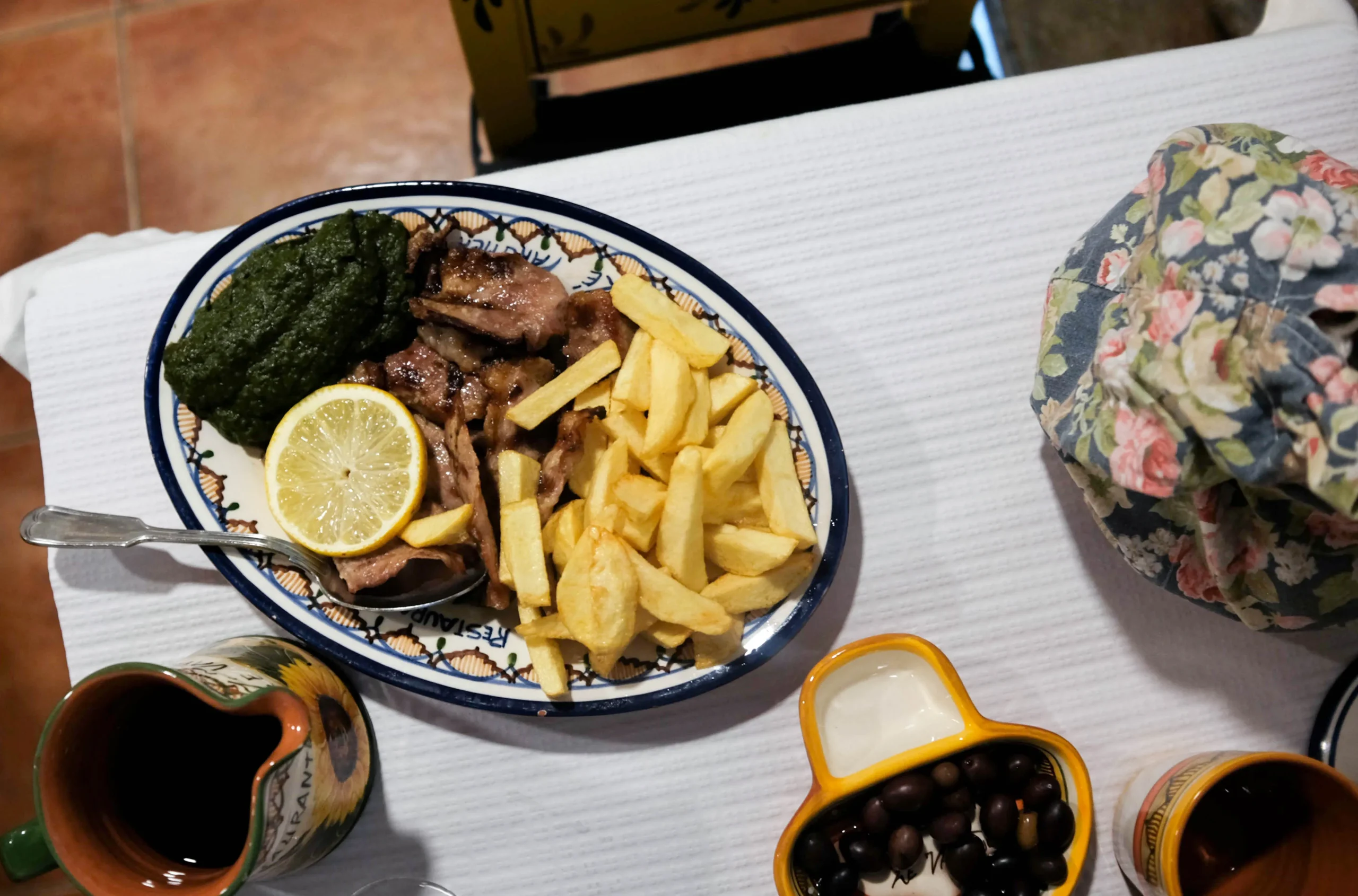
Carne de porco à Alentejana marries pork cubes in paprika-wine marinade with briny clams, coriander finishing the twist. Alentejo’s Moors fused land-sea here, a bold combo that shouldn’t work but sings. The pork tenderizes overnight, clams popping open to season everything. Évora’s version blew me away – juicy, zesty, with fries to anchor. It’s Portugal’s “why choose?” answer; white wine balances the salt.
Alheira de Mirandela: The Sneaky Smoky Sausage
Alheira de Mirandela stuffs bread, chicken, and game into a coil, smoked oak-kissed, grilled crisp. Jews crafted it Inquisition-era to mimic pork sans pig, a clever survival tale. Served with egg and fries, it’s milder than chorizo, all chew and subtle spice. In Trás-os-Montes, I tried the original; the history hit harder than the bite. Grill it yourself if camping – portable genius.
Leitão Assado: Crispy-Skinned Suckling Pig Bliss
Leitão assado roasts young piglet in wood ovens with garlic-lard rub, skin shattering like glass over moist meat. Bairrada’s festival food since medieval times, it’s celebratory – weddings, Sundays. Mealhada’s spots turn it into pilgrimage. My first crackle? Pure ASMR, orange slices cutting the fat. Share or regret; it’s rich, rewarding.
Tripas à Moda do Porto: Tripe Stew with a Heroic Backstory
Tripas à Moda do Porto stews tripe, sausages, beans, and veggies in a smoky broth, Porto’s badge from 1415 when locals donated meat for conquests, left with offal. Hearty, bean-forward, it’s undervalued comfort. At Abadia do Porto, I warmed to its chew; the legend adds flavor. Red wine deepens it – tripe skeptics, convert here.
Soups, Sandwiches, and Everyday Heroes
These are the quiet MVPs – quick, cheap, everywhere. Soups warm the north’s chill; sandwiches fuel tram rides. No frills, all heart, like the grandma who slipped me caldo verde after directions.
Caldo Verde: Kale Soup That Greens Your Soul
Caldo verde blends potatoes, kale ribbons, and chorizo in olive oil swirl – Minho’s 16th-century staple, post-New World imports. Creamy, not watery, with broa bread for dunking. Lisbon’s version saved my rainy day; the sausage’s smoke lingers like a hug. Vegetarian swap: Skip meat, add extra greens.
Bifana: The Pork Roll That Steals Your Heart
Bifana piles marinated pork slices – wine, garlic, paprika – into crusty papo seco, mustard optional. Alentejo’s street king since the 1800s, it’s €2 fuel for hikes. Solar da Madalena’s juices dripped down my chin; messy joy. Vs. prego (beef cousin)? Pork’s sweeter, crispier.
Francesinha: Porto’s Decadent Hangover Healer
Francesinha stacks steak, ham, sausage, cheese, egg in bread, drowned in beer-tomato sauce – Porto’s 1940s French riff gone wild. Gooey, spicy, fry-sided; it’s indulgence. Café Santiago’s version cured my port wine haze. Pros: Ultimate comfort. Cons: Heartburn lottery. Half-order if solo.
Pros of Street Sandwiches like Bifana:
- Cheap (€2-5)
- Portable for sightseeing
- Authentic vibe
Cons:
- Messy on the go
- Variable quality in tourist traps
Sweet Endings: Pastries That Linger
Portugal sweetens with eggs – convents’ surplus turned tarts and cakes. These are coffee’s best friend, light yet indulgent.
Pastéis de Nata: Custard Tarts That Burn Bright
Pastéis de nata cradle silky egg custard in flaky pastry, caramelized tops from Jerónimos monks’ 18th-century thrift.
Belém’s originals queue long; the scorch warns of molten joy inside. Cinnamon dust, lemon zest – my airport farewell ritual. Hot or cooled? Hot, always; it’s fleeting perfection.
Regional Variations: North vs. South Showdown
Portugal’s split: North’s hearty (Porto stews, Minho greens), South’s lighter (Algarve seafood, Alentejo pork-clams). North wins for comfort on cool days; South for sun-kissed ease. I split a trip – Douro meats fueled hikes, Algarve grills cooled beach burns. Table below breaks it:
| Aspect | Northern Style | Southern Style |
|---|---|---|
| Staples | Sausages, stews, kale | Seafood, clams, rice |
| Spice Level | Mild smoke | Brighter herbs |
| Best For | Rainy Porto pubs | Sunny Lagos lunches |
| Icon Dish | Francesinha | Cataplana |
Pick based on your vibe – or do both, like I did.
People Also Ask: Your Burning Questions Answered
Google’s got the pulse on what travelers wonder. Here’s the scoop, straight no chaser.
What is the most traditional Portuguese dish?
Bacalhau reigns, with 365+ recipes – one per day, they say. It’s salted cod’s versatility that cements it, from scrambles to croquettes, tying back to explorer eras.
What is Portugal’s national dish?
No official crown, but cozido à portuguesa – a meat-veggie boil – gets the nod for its shared-table spirit. Or francesinha for Porto pride. Depends who you ask; locals debate over vinho.
Is Portuguese food spicy?
Rarely fire-breathing; piri-piri adds kick to chicken, but most lean garlicky-herbal. North’s smokier, south’s brighter – tame for spice lovers, welcoming for mild palates.
What sweets are famous in Portuguese cuisine?
Pastéis de nata top the list, but don’t sleep on ovos moles (soft eggs) or arroz doce (rice pudding). Egg-heavy from convent traditions – sweet, simple, sinful.
What to eat in Lisbon for first-timers?
Start with bifana for lunch, bacalhau à brás for dinner, and nata for dessert. Hit Time Out Market for variety; it’s overwhelm-proof.
FAQ: Tackling Your Trip’s Toughest Food Queries
Got questions? I’ve fielded these from friends pre-trip – here’s the real talk.
What is bacalhau, and why is it everywhere?
Salted, dried cod preserved for voyages 500 years ago – now in 1,000+ dishes. It’s cheap, versatile, and ties to Catholic Lenten traditions. Try à brás for shredded ease; desalt overnight if home-cooking.
Where’s the best spot for pastéis de nata?
Pastéis de Belém for the secret recipe since 1837 – queue early. Manteigaria in Chiado for quicker, equally divine. Pro tip: Warm, with coffee; €1.20 steals your heart.
Are traditional Portuguese dishes vegetarian-friendly?
Not inherently – pork and fish dominate – but caldo verde (sans sausage) and açorda alentejana shine. Markets have queijo fresco and olives; apps like HappyCow map veggie twists.
What wines pair with Portuguese seafood?
Vinho verde’s crisp fizz cuts richness – try with sardines or cataplana. Alvarinho for octopus; it’s zingy, local, €5-10 bottles. Sip, don’t chug; enhances, doesn’t overpower.
How spicy is piri-piri chicken, really?
Mild to medium – the sauce builds heat from African chilies, but garlic-lemon tempers it. Ask “pouco picante” (a little spicy) at churrasqueiras; Bonjardim in Lisbon nails the balance.
There you have it – your roadmap to Portugal’s plate. These 15 aren’t just eats; they’re portals to laughter over shared forks, sunsets with sandy fingers, and that quiet glow of a trip well-fed. Book that flight, loosen the belt, and let the flavors pull you in. What’s your first must-try? Drop a comment; I’d love to swap stories. Safe travels, and bom apetite!